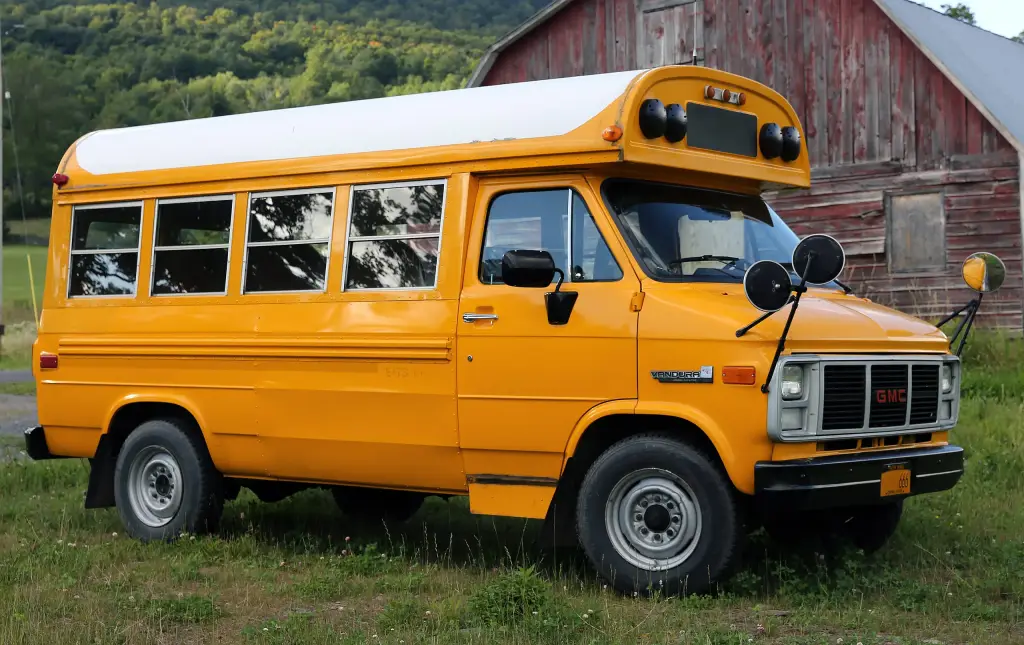
The GMC Vandura was GMC’s version of the G-series full-size van that General Motors introduced for 1964. It was sold alongside the Chevrolet Chevy Van for more than three decades, through four generations, until the Savana replaced it for 1996.
GMC Vandura at a glance
| Type | full-size van, passenger and cargo |
|---|---|
| Introduced | 1964 model year, as the G10 |
| GMC names | Handi-Van and Handi-Bus at first, later Vandura and Rally |
| Generations | four, from 1964 to 1995 |
| First two generations | 1964-1966 and 1967-1970, engine between the front seats |
| From 1971 | engine mounted ahead of the front seats |
| First engine | 153 cu in four, 90 hp |
| First option | 194 cu in six |
| Gearboxes | three-speed column manual, two-speed Powerglide automatic |
| Construction | full-length unibody with I-beam front suspension |
| Replaced by | GMC Savana, 1996 |
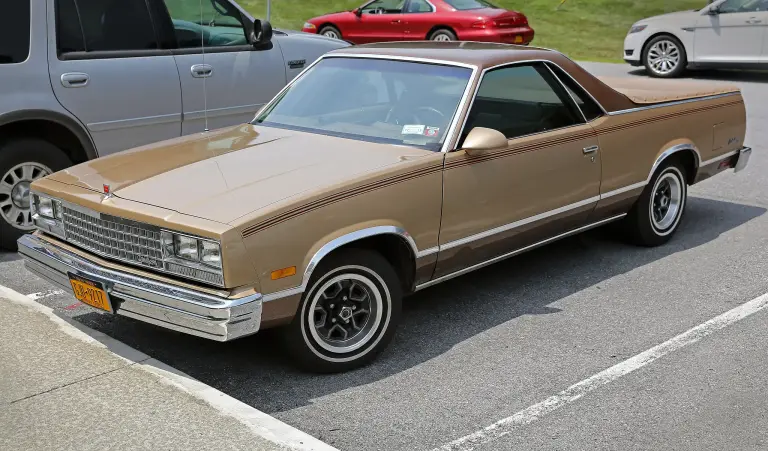
Based on one source, the English Wikipedia article on the Chevrolet van, which covers the G-series vans GMC sold. The photographs show a GMC Vandura school bus and a Chevrolet G20, the same van under the other badge.
History of the GMC Vandura
Answering the Microbus
In 1950 Volkswagen introduced the Transporter as a forward-control version of the Beetle, and in North America the Microbus was sold as a station wagon and as a panel van, making it the precursor of the modern full-size van. Ford and GM both responded for 1961: Ford with the Econoline and Falcon Club Wagon, and Chevrolet with the rear-engined Corvair 95 and Greenbrier. The Corvair 95 shared its wheelbase with the Microbus and used air-cooled engines, but it had the Corvair car’s flat-six and an optional automatic transmission, which the Volkswagen did not offer until 1973.
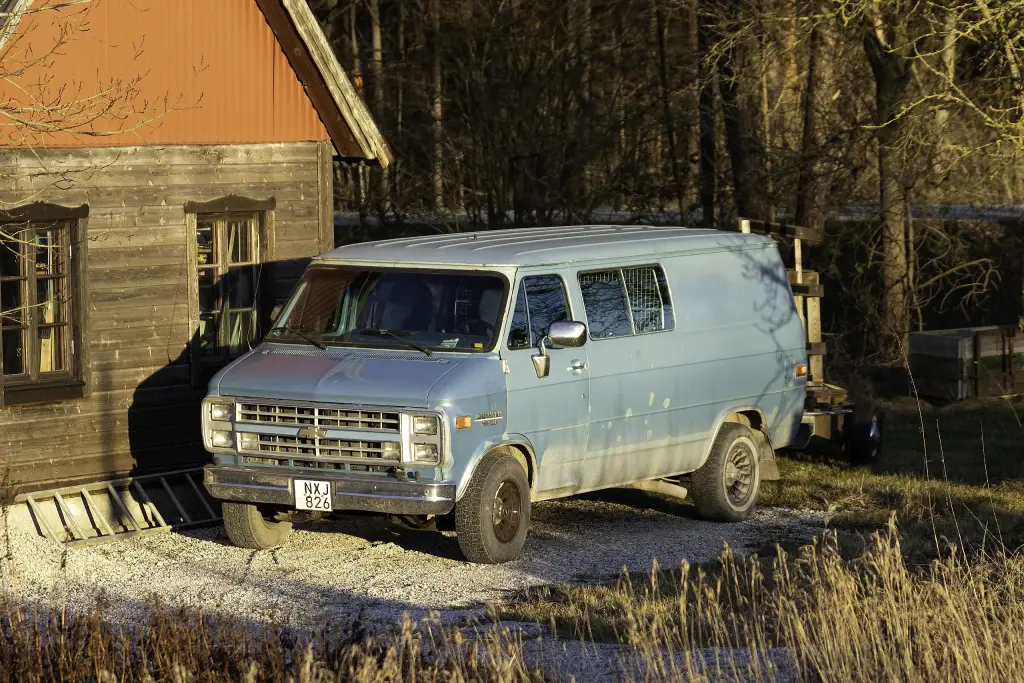
First generation (1964-1966)
For 1964 GM released the compact van that replaced the Corvair 95. Coded G-10, the half-ton van followed the Econoline and A100 layout, with the engine moved from behind the rear axle to between the front seats while the body stayed a forward-control design with the driver above the front axle. It was the point at which the model line was marketed by both Chevrolet and GMC, with passenger and cargo versions: Chevrolet sold the Chevy Van for cargo and the Sportvan for passengers, while GMC sold the Handi-Van and Handi-Bus. The G10 shared mechanical parts with the Chevy II, using a 153 cu in four with 90 hp as standard and a 194 cu in six as an option, with a three-speed column-shift manual or a two-speed Powerglide automatic. The chassis was a full-length unibody with I-beam front suspension and much heavier rear leaf springs than a car.
Equipment and early changes
The 1964 van was sold only as a cargo model, rated as a half-ton but capable of up to 2,000 lb of payload. To maximise interior space it came with a driver’s seat only, the optional passenger seat folding away, and the base version had rear cargo doors only, with right-side doors as an option; a heater, two-speed wipers and a glovebox were also extra. For 1965, as Chevrolet phased out the Greenbrier, a passenger van was added with two optional rear benches for eight seats, side windows became optional on the cargo van and seatbelts were no longer optional. The four-cylinder stayed standard in cargo vans, with a 140 hp 230 cu in six as an option, and for 1966 the four was dropped from the Chevy Van so the 194 six became standard.
Later generations
The second generation ran from 1967 to 1970 and kept the engine between the front seats; since 1971 the model line has had the engine ahead of the front seats. GMC’s cargo and passenger versions of these vans were sold under several names over the years, with the Vandura and Rally among them. The fourth generation arrived in 1996 as the Chevrolet Express and GMC Savana, the first version of the line to use a single nameplate for each brand, and the Savana replaced the Vandura and Rally outright.
Design and features
- G-series basis: the same van Chevrolet sold as the Chevy Van and Sportvan.
- Engine between the seats: the layout of the first two generations, until 1971.
- Truck-built chassis: full-length unibody with I-beam front suspension and heavy leaf springs.
- Passenger and cargo versions: from the Handi-Van and Handi-Bus to the later Vandura and Rally.
- Cutaway chassis: the line also served as a base for ambulances and buses.
GMC Vandura versions
- G10 cargo van (1964): the original half-ton Chevy Van and Handi-Van.
- Handi-Bus and Sportvan (1965-): the eight-seat passenger versions.
- Second-generation G-series (1967-1970): the updated front-mid-engine vans.
- Engine-ahead vans (1971-1995): the long-running generation sold as the Vandura and Rally.
- Cutaway chassis: chassis-cab versions for conversion into buses and ambulances.
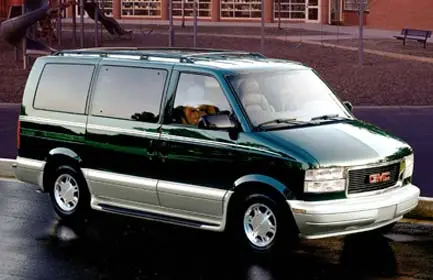
The Vandura was replaced by the GMC Savana, and its smaller stablemate was the GMC Safari. More vans are in the GMC collection.
Sources
- Chevrolet van, English Wikipedia: G-series history, first generation, equipment, generations