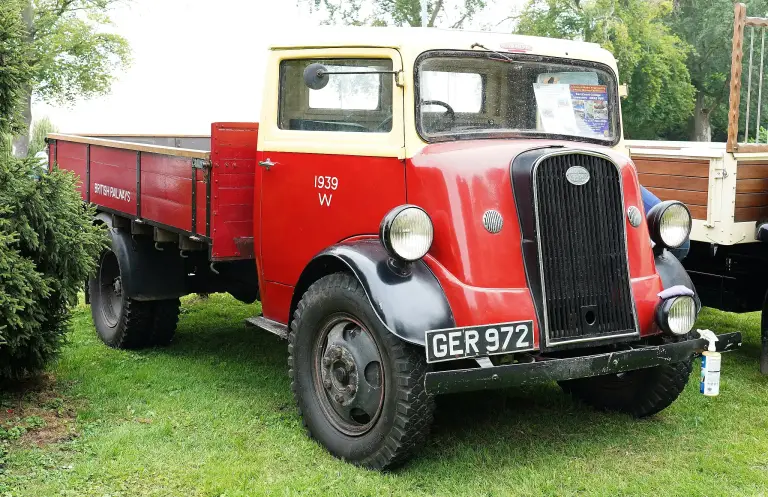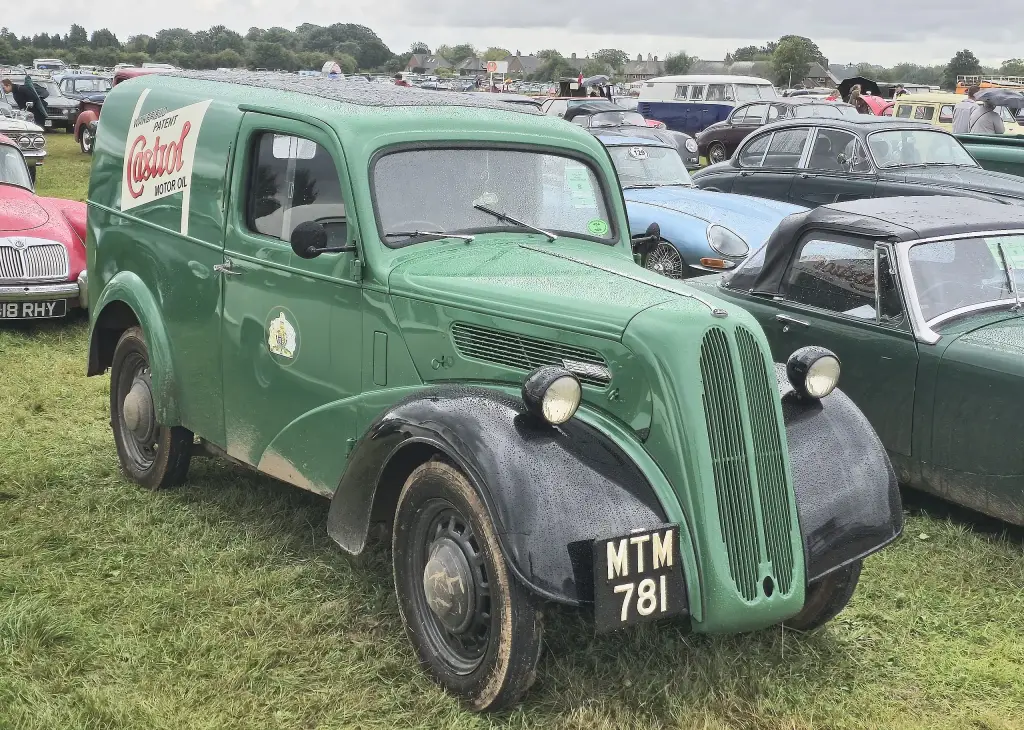
The Fordson E83W was the light commercial vehicle of Ford of Britain. Built at Dagenham from 1938 to 1957, it was a 10 cwt half-ton van that could also be had as a pickup, an estate car or a chassis for specialist bodies, and from 1952 it was also sold as a Thames.
Fordson E83W at a glance
| Maker | Ford of Britain, Dagenham |
|---|---|
| Production | 1938–1957 |
| Class | 10 cwt (half ton) light commercial |
| Also sold as | Thames E83W from 1952 |
| Australian name | Ford Ten-Ten |
| Engine | 1,172 cc Ford 10 hp sidevalve |
| Power | 30 bhp |
| Gearbox | three-speed manual |
| Final drive | heavily geared down rear axle |
| Top speed | not much over 40 mph |
| Main rival | Bedford HC and JC |
| Bodies | van, pickup, estate and specialist conversions |
This page is based on the English Wikipedia article on the Fordson E83W, a single source.
History of the Fordson E83W
The Fordson E83W was a 10 cwt (half ton) light commercial vehicle built by Ford of Britain at the Dagenham plant, which was also the home of Fordson tractors, between 1938 and 1957. It was aimed at the small haulage, trade and merchant market, where it sold well. The van was sold in Australia as the Ford Ten-Ten, and it was available in various forms around much of the world as Britain strove to export after the Second World War. In some countries only the cowl and chassis were imported and local coachbuilders built the body.
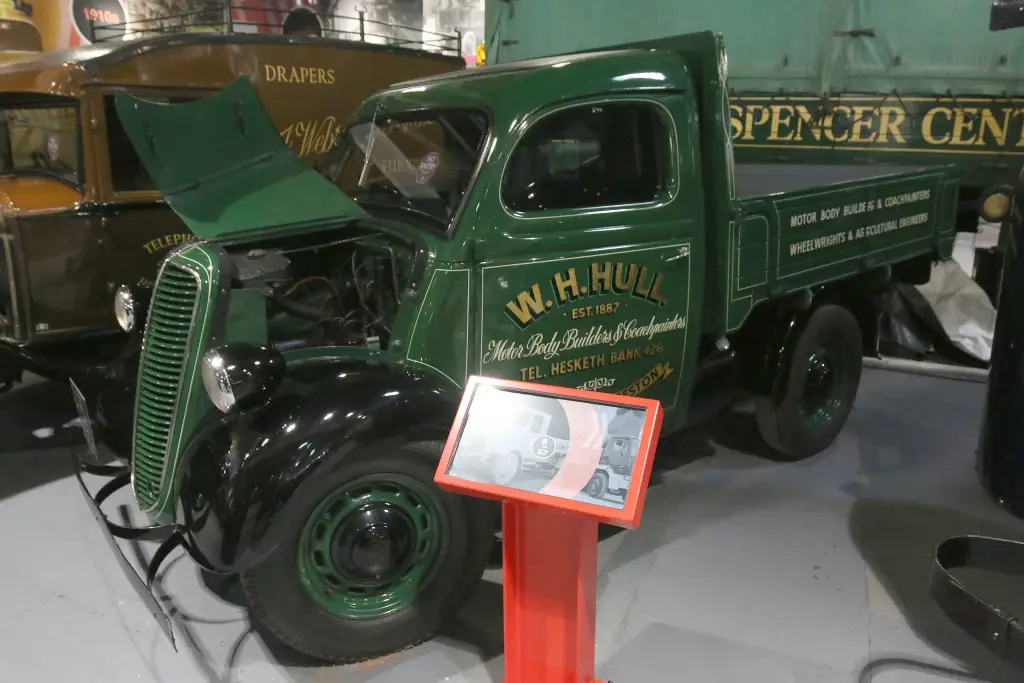
The E83W was offered as a van and as a pickup, and many specialist bodybuilders produced other bodies on its chassis, including mobile canteens, fire trucks and ice cream vans. An estate car variant was also marketed, although it did not find much success. Its main competitor was the Bedford HC and JC range from General Motors’ British commercial subsidiary.
The van was powered by the 1,172 cc Ford 10 hp sidevalve engine, which produced 30 bhp, through a three-speed gearbox. The rear axle was heavily geared down, which made the E83W much slower than a contemporary saloon: its effective top speed was not much over 40 mph, but the gearing gave it the pulling power expected of a working vehicle.
Apart from the ten-horsepower engine, the E83W shared few parts with other small Fords, which makes spare parts a little harder to find. Its front and rear axles were much heavier than those of the saloon and the 5 cwt van, and shared some bearings and internal parts with the contemporary Ford V8 models, the Model 62 and the E71A Pilot. The headlamps came from the Fordson E27N tractor, for which they were only an optional extra. From 1952 the van was also sold under the Thames brand, and it stayed in production until 1957.
Design and features
- Purpose-built light commercial: a 10 cwt van with its own body and few shared car parts.
- Sidevalve engine: 1,172 cc, 30 bhp, with a three-speed gearbox.
- Low gearing: a heavily geared rear axle gave pulling power at the cost of speed.
- Specialist bodies: mobile canteens, fire trucks and ice cream vans were built on the chassis.
- Tractor headlamps: the lamps were shared with the Fordson E27N tractor.
Fordson E83W versions
- E83W van: the standard 10 cwt panel van.
- E83W pickup: open load-bed version.
- Estate car: a passenger variant that sold in small numbers.
- Specialist conversions: canteens, fire appliances, ice cream vans and other bodies.
- Thames E83W: the same van sold under the Thames brand from 1952.
The E83W sat below the Fordson Thames truck range, and its headlamps came from the Fordson E27N tractor. More Fordsons are in the Fordson collection.
Video: old warden and fordson van 391
Video on YouTube.
Sources
- Fordson E83W, English Wikipedia: production, bodies, engine, gearing, shared parts