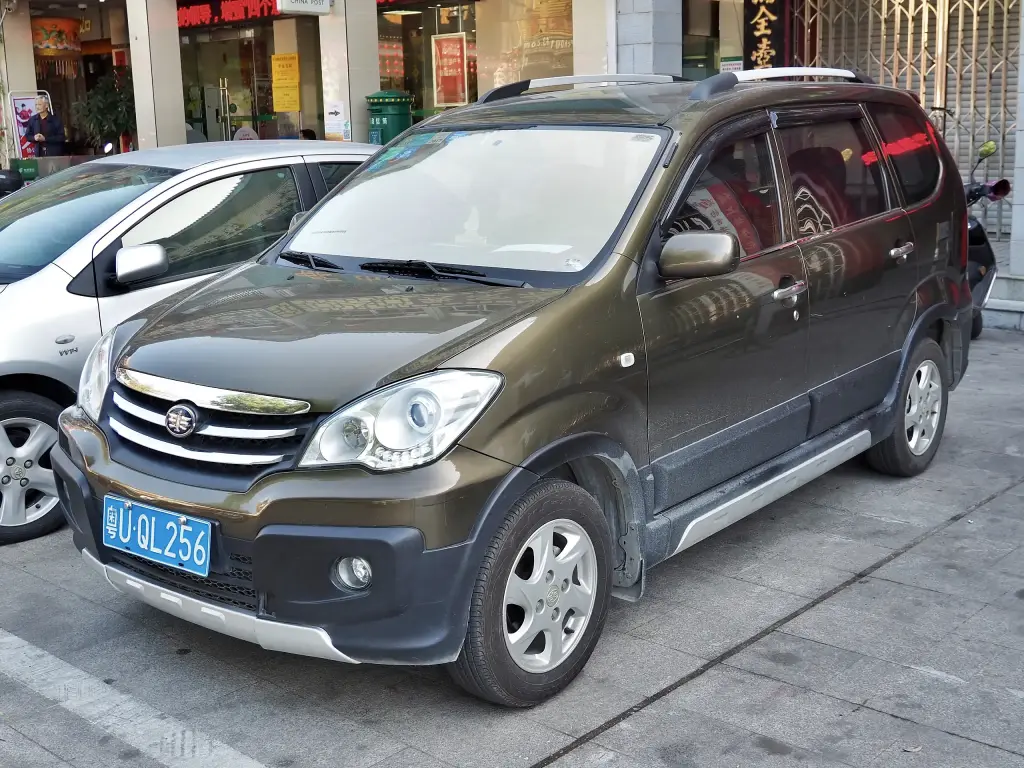
The Toyota Avanza and the Daihatsu Xenia are a pair of three-row MPVs developed by Daihatsu and sold mainly in Indonesia and other emerging markets. Introduced in 2003, the Avanza became the best-selling passenger car in Indonesia for many years, and a rebadged version was sold in China under the FAW badge until 2016.
Toyota Avanza at a glance
| Maker | Toyota and Daihatsu, built by Astra Daihatsu Motor in Indonesia |
|---|---|
| Production | 2003–present |
| Also sold as | Daihatsu Xenia; FAW Senya in China until 2016 |
| Class | compact MPV with three rows of seats |
| Layout | rear-wheel drive in generations 1 and 2, front-wheel drive in generation 3 |
| Chassis | semi-unibody in generations 1 and 2, Daihatsu New Global Architecture in generation 3 |
| Assembly | Sunter and Karawang, Indonesia; CKD in Vietnam; Malaysia by Perodua |
| Investment | US$90 million for the first generation |
| First-year sales | 43,936 cars in Indonesia in 2004 |
| Global sales | about 2.75 million Avanza and Xenia by November 2018 |
Based on one source, the English Wikipedia article on the Toyota Avanza and Daihatsu Xenia.
History of the Toyota Avanza
An MPV for the years after the crisis
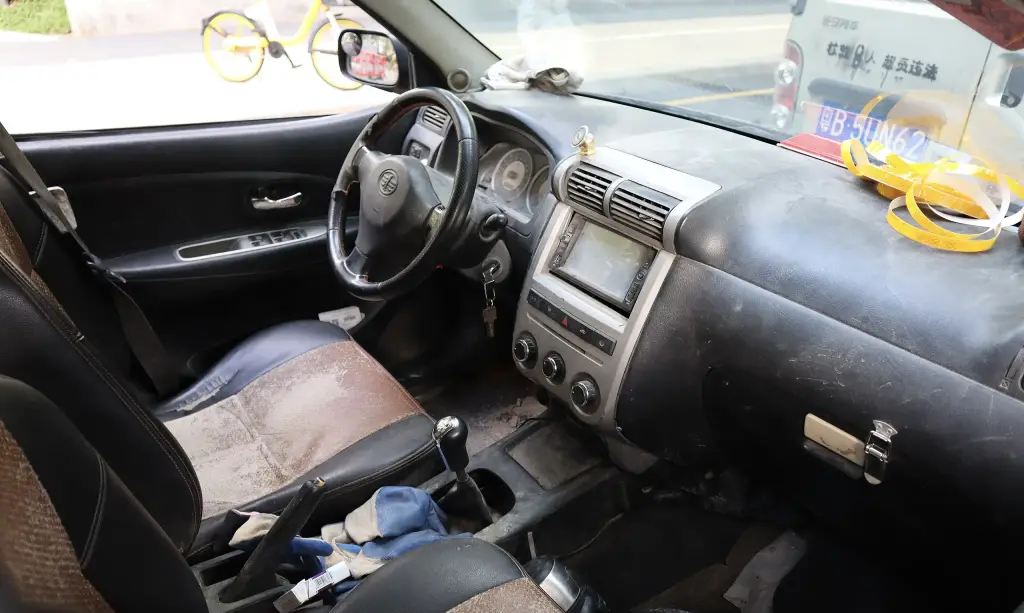
The Avanza and the Xenia were conceived by Toyota, Daihatsu and their Indonesian subsidiaries in the wake of the 1997 Asian financial crisis. The price of the best-selling Kijang had risen sharply while the country was recovering, so feasibility studies for a cheaper vehicle under the Kijang started in 1999, when Toyota-Astra Motor proposed such a model for Indonesia. Toyota Motor Corporation handed development and manufacturing to Astra Daihatsu Motor because of Daihatsu’s expertise in low-cost vehicles in Indonesia. The two companies invested a total of US$90 million in the project, which Toyota referred to as the U-IMV (Under-IMV), a reference to the larger Innova that sits a segment above.
Unlike the Kijang and the Kijang Innova, which used full body-on-frame chassis, the first two generations of the Avanza and Xenia used a semi-unibody chassis in which the front half was body-on-frame and the rear half monocoque. This hybrid construction kept the rear-wheel-drive layout of earlier Kijang generations and their ability to carry heavier loads. Journalists noted the downsides as well: an unstable ride at high speed and unrefined noise and vibration.
The first generation (2003)
The Avanza was unveiled on 11 December 2003 and released on 15 January 2004. It was the first collaboration project between Toyota and Daihatsu in Indonesia, with development led by Toyota chief engineer Kaoru Hosokawa, product planning leader of the Toyota Commercial Vehicle Development Centre. The car was manufactured at Astra Daihatsu Motor’s Sunter plant, and 61 percent of its parts were sourced locally. Toyota targeted 30,000 sales for 2004, but 25,000 bookings had been received in January alone, so production capacity was increased. The Avanza sold 43,936 units that year, making it the third best-selling car in Indonesia, and from 2006 it was the best-selling car in the country, replacing the Kijang Innova that had held the title in 2005.
At launch the Avanza was available in two grades, the 1.3 E and the 1.3 G, both powered by a 1.3-litre K3-DE four-cylinder engine with a five-speed manual gearbox. From July 2004 a limited-production 1.3 S grade with a four-speed automatic was offered in Indonesia.
The FAW Senya
Outside Indonesia the Avanza was sold throughout Southeast Asia and also in Mexico, Pakistan, Nepal, Bangladesh, Sri Lanka, the Middle East, the Caribbean, Egypt, South Africa and other African countries. A rebadged version of the car was sold in China under the FAW badge until 2016, which is why Chinese-market examples appear on pages about FAW. The name Avanza comes from the Spanish word that means ‘get moving’ and the Italian avanzato, while Xenia is taken from the Greek concept of hospitality.
Second and third generations
The second-generation model kept the same platform and took four years of development; Toyota and Daihatsu invested Rp 900 billion in it. It was assembled at the same Sunter plant and, from April 2013, also at the second Daihatsu plant in Karawang, West Java. The third generation dropped the semi-unibody chassis and rear-wheel drive in favour of the full unibody construction of the Daihatsu New Global Architecture with front-wheel drive, a switch the makers explained by better infrastructure in Indonesia and by the efficiency, performance and comfort of front-wheel drive. Production was split between the Daihatsu plant in Sunter for the Avanza and Xenia and the Toyota plant in Karawang for the Avanza and Veloz, with CKD assembly in Vietnam and Malaysian Veloz cars built by Perodua from 2022.
In 2021 the Avanza spawned a twin model called the Toyota Veloz, a name previously used for the flagship grade of the Avanza in some markets between 2011 and 2021. The Avanza also served as the basis for the second-generation Perodua Alza, introduced in Malaysia in 2022. The Avanza was the best-selling passenger car in Indonesia between 2006 and 2019 and again in 2021; at the peak of its popularity in 2013 it made up 17 percent of total car sales in the country, or 22 percent together with the Xenia. By November 2018 around 2.75 million Avanza and Xenia vehicles had been sold worldwide.
Design and features
- Three rows in a small package: the Avanza was designed as an entry-level MPV for large families, with seating for up to seven.
- Semi-unibody chassis: a body-on-frame front half and a monocoque rear half, which allowed rear-wheel drive and heavy loads.
- Low-cost production: 61 percent of parts were sourced locally in Indonesia from the start.
- Local engineering: development was led by Toyota but carried out by Daihatsu’s Indonesian operation.
Toyota Avanza versions
- 1.3 E and 1.3 G (2004): the launch grades with a 1.3-litre engine and five-speed manual gearbox.
- 1.3 S (2004): limited-production grade with a four-speed automatic.
- Daihatsu Xenia: the twin model sold through Daihatsu dealers.
- FAW Senya: the Chinese-market version sold under the FAW badge until 2016.
- Toyota Veloz (2021): a separate twin model that took over the flagship position.
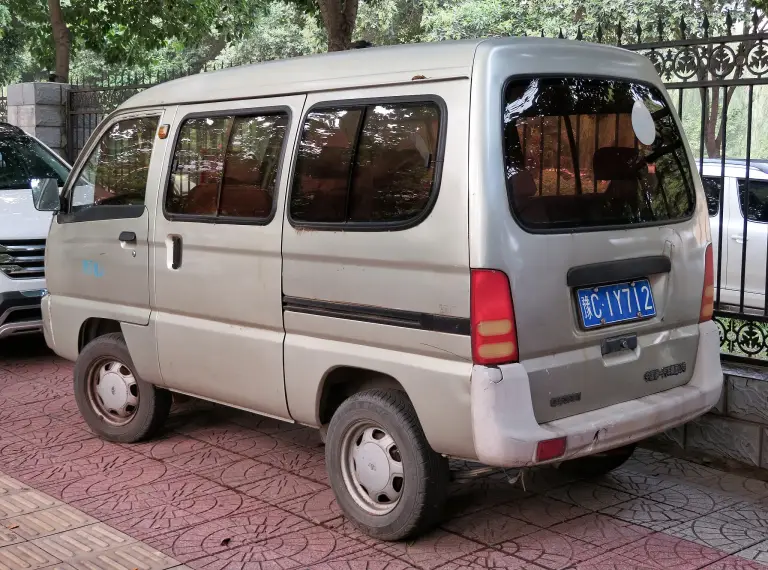
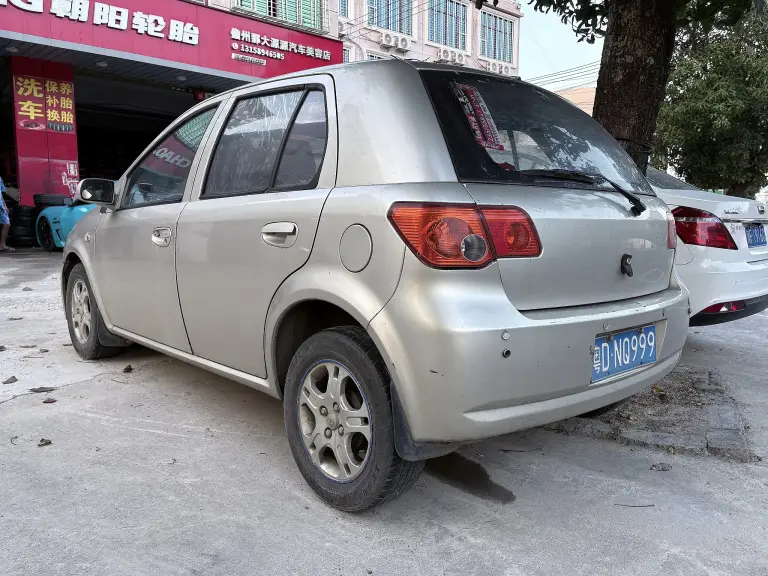
The Avanza is one of several small cars built on Daihatsu platforms for emerging markets. Other vehicles from the same Chinese group are in the FAW collection, among them the FAW Vita and the FAW Jilin Jiabao microvan.
Sources
- Toyota Avanza, English Wikipedia: development, generations, sales, FAW version