The Volkswagen Jetta is a compact saloon that Volkswagen has made since 1979, positioned just above the Golf hatchback. It has been sold over seven generations under a long list of names, including Atlantic, Vento, Bora, City Jetta and Sagitar, and by 2014 more than 14 million had been built, making it Volkswagen’s best-selling model.
Volkswagen Jetta at a glance
| Maker | Volkswagen |
|---|---|
| Production | since 1979 |
| Class | compact car, saloon and estate |
| Position | between the Golf hatchback and larger saloons |
| Generations | seven |
| Other names | Atlantic, Vento, Bora, City Jetta, Clasico, Sagitar |
| First generation | 1979, designed by ItalDesign |
| Sales | more than 14 million by April 2014 |
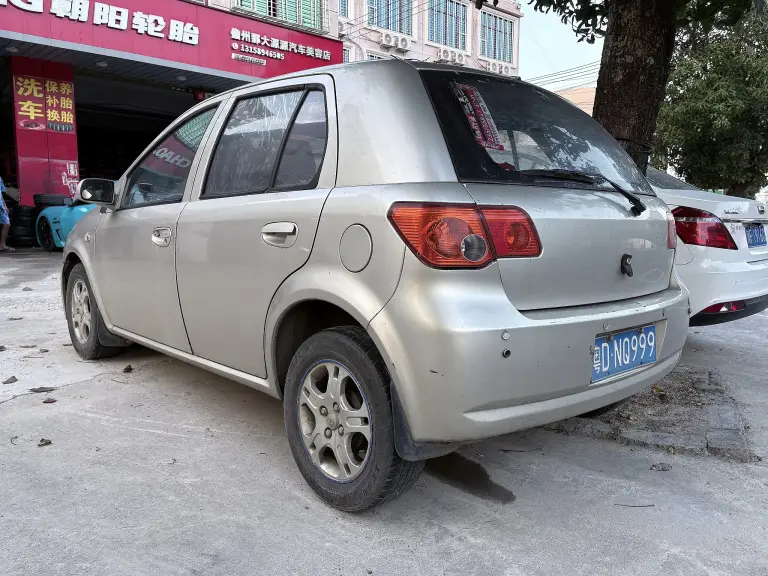
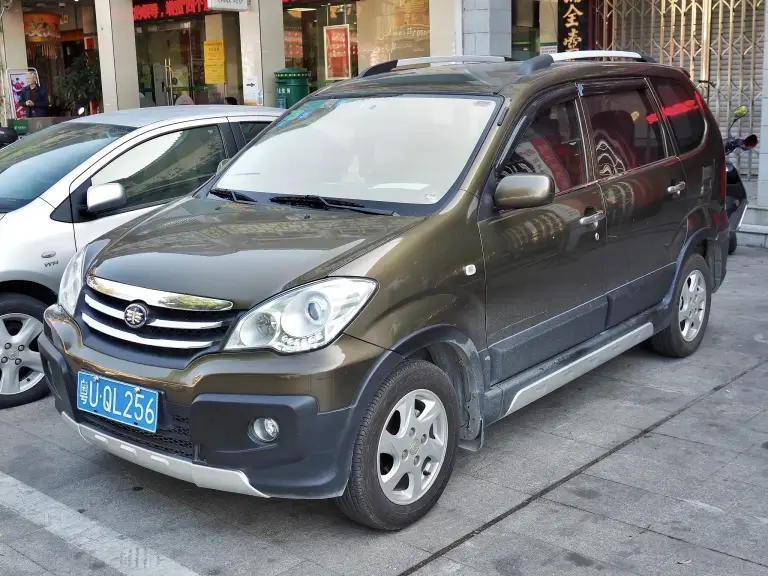
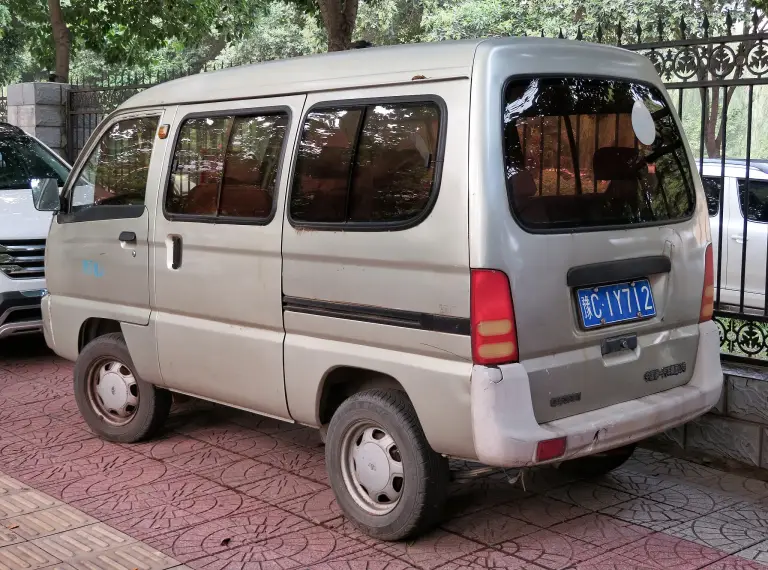
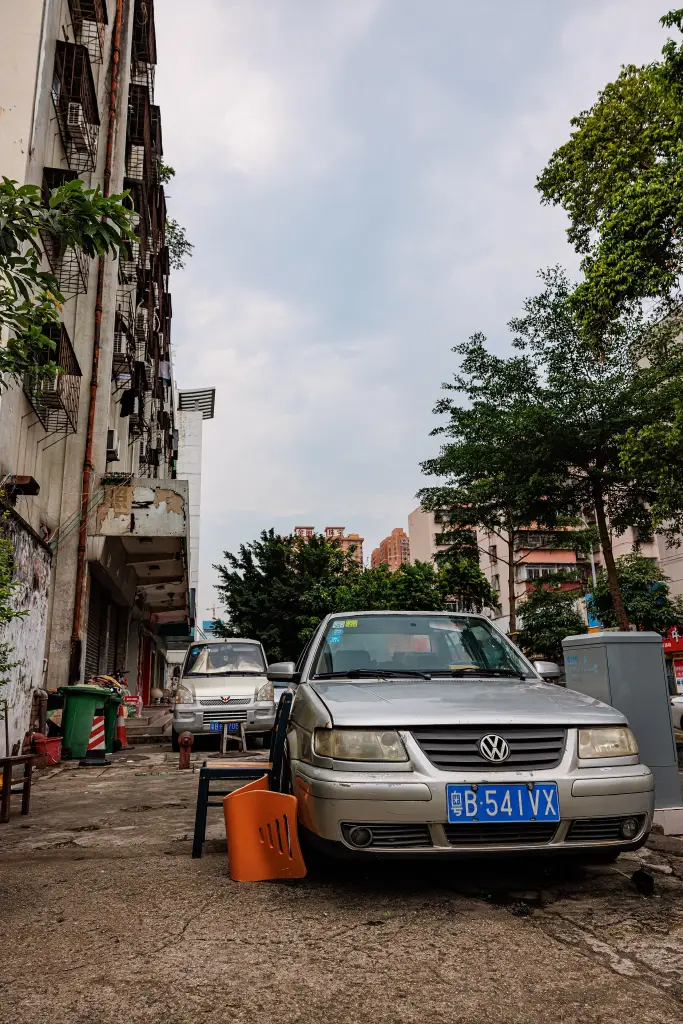
The photographs show a first-generation Jetta in China. The text is based on the English Wikipedia article on the Jetta.
History of the Volkswagen Jetta
Why a Golf with a boot
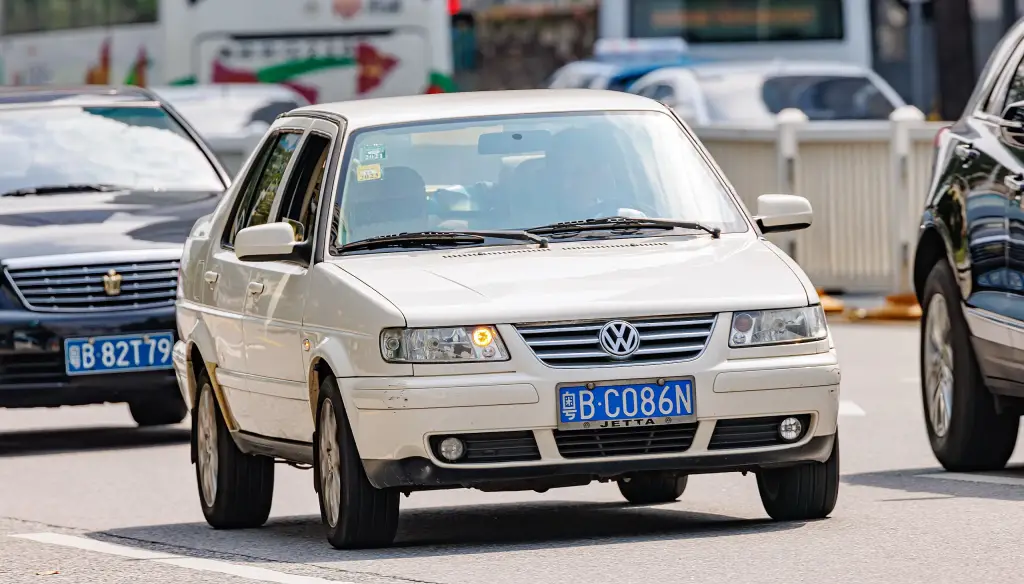
Although the Golf, sold as the Rabbit in the United States and Canada, was a considerable success, Volkswagen saw that the hatchback body did not appeal to all buyers, some of whom preferred a traditional three-box saloon. Volkswagen stylists essentially grafted a new boot onto the tail of the Golf to produce a larger saloon, and the Jetta went on to become the best-selling European car in the United States, Canada and Mexico. The model was introduced at the 1979 Frankfurt Auto Show, and production of the first generation began in August 1979 at the Wolfsburg plant. In Mexico the Mk1 Jetta was known as the Volkswagen Atlantic.
The first Jetta was available with two doors and four doors, both with a traditional three-box design. Its angular styling was penned at ItalDesign by Giorgetto Giugiaro. The suspension was identical to the Golf, with a MacPherson strut setup in front and a twist-beam axle at the rear, and the car shared the Golf’s 2,400 mm wheelbase although overall length was up by 380 mm. The luggage compartment held 377 litres, which made the Jetta reasonably practical. To distinguish it from the Golf, interiors were made more upscale in all markets, with velour seating and colour-coordinated carpeting.
Engine choices varied by market. Most were based on the engines of the era, and petrol units ranged from a 1.1-litre four-cylinder with 37 kW to a 1.8-litre four with 82 kW and 150 N·m of torque. Some cars had carburettors and others used Bosch K or KE Jetronic fuel injection. Diesels included a 1.6-litre unit with 37 kW and a turbocharged version of the same engine with 51 kW and 130 N·m. Volkswagen briefly considered building the Jetta in Sterling Heights, Michigan, but the plan was abandoned in 1982, and the car was also assembled in Yugoslavia by Tvornica Automobila Sarajevo.
The second generation (1984)
The second generation is the longest-running Jetta so far. It was introduced to Europe in early 1984, reached North America in 1985 and proved a sales success, outselling the similar Golf by two to one in North America. Based on the second-generation Golf platform, the car was larger and heavier and could seat five people instead of four in the Mk1. Overall length grew by 100 mm, the wheelbase by 66 mm and the width by 53 mm, while aerodynamics improved to a drag coefficient of 0.36. The boot grew to 470 litres, and interior room increased by 14 percent, which moved the car from the EPA sub-compact class to the compact class. The front suspension gained a separate subframe for the control arms, with improved rubber mountings, to help noise isolation.
The name and the later cars
The Jetta nameplate is generally linked to the Atlantic jet stream, at a time when several Volkswagen models were named after winds and currents, among them the Passat, the Bora and the Scirocco. A 2013 report by the former Volkswagen copywriter Bertel Schmitt, however, found no evidence in Volkswagen sources that the company had ever announced such a naming system. In China the Jetta was marketed as the Sagitar. By mid-2011 almost 10 million Jettas had been produced worldwide, and by April 2014 the total had passed 14 million.
Design and features
- Saloon body on Golf running gear: the Jetta shared its platform and suspension with the hatchback but added a separate boot.
- More upmarket interior: velour trim and better carpeting distinguished it from the Golf.
- Wide engine range: petrol units from 1.1 to 1.8 litres and diesels from 1.6 litres, including a turbo.
- Practical boot: 377 litres in the Mk1, growing to 470 litres in the Mk2.
Volkswagen Jetta versions
- Jetta Mk1 (1979): two-door and four-door saloons, sold as the Atlantic in Mexico.
- Jetta Mk2 (1984): the longest-running generation, larger in every dimension.
- Vento and Bora: names used for later Jetta generations in Europe.
- City Jetta and Clasico: names used in Canada and Mexico.
- Sagitar: the name under which the Jetta was sold in China.
The Jetta was one of the models associated with FAW’s Chinese operations, where the group also built the Audi A6 and the FAW Vita. More cars are in the FAW collection.
Video: FAW-VW Jetta 2008 in China
Video on YouTube.
Sources
- Volkswagen Jetta, English Wikipedia: history, first and second generations, sales