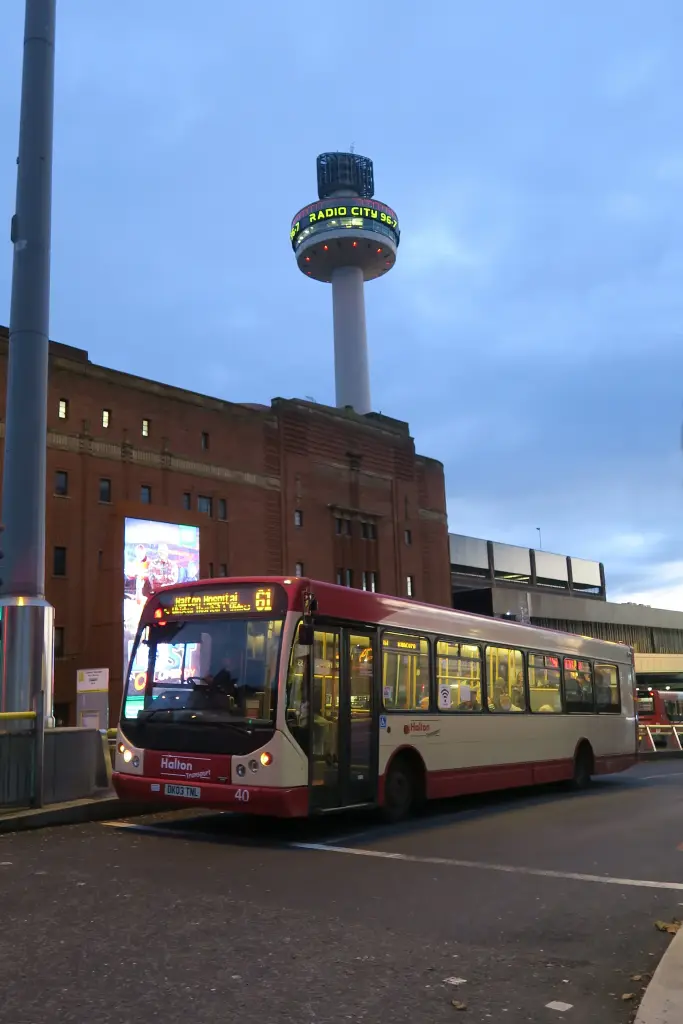
The Dennis Dart was a rear-engined single-decker midibus chassis introduced by Dennis of Guildford in 1989, replacing the Dennis Domino. It began as a high-floor design, gained a low-floor second generation in 1996, and stayed in production through TransBus International and Alexander Dennis until 2008; more than 12,600 were built.
Dennis Dart at a glance
| Maker | Dennis, later TransBus and Alexander Dennis |
|---|---|
| Launched | October 1988, British International Motor Show |
| Production | 1989–2008 |
| Type | rear-engined single-decker midibus chassis |
| Replaced | Dennis Domino |
| First-generation width | 2.3 m |
| First-generation lengths | 8.5 m, 9.0 m, 9.8 m |
| First-generation engine | Cummins 6BT with Allison AT545 gearbox |
| First-generation built | over 3,400 |
| Dart SLF | low-floor version from 1996, 2.4 m wide |
| Dart SLF built | over 9,100 |
| Replaced by | Alexander Dennis Enviro200 |
Based on one source, the English Wikipedia article on the Dart.
History of the Dennis Dart
Between a minibus and a bus
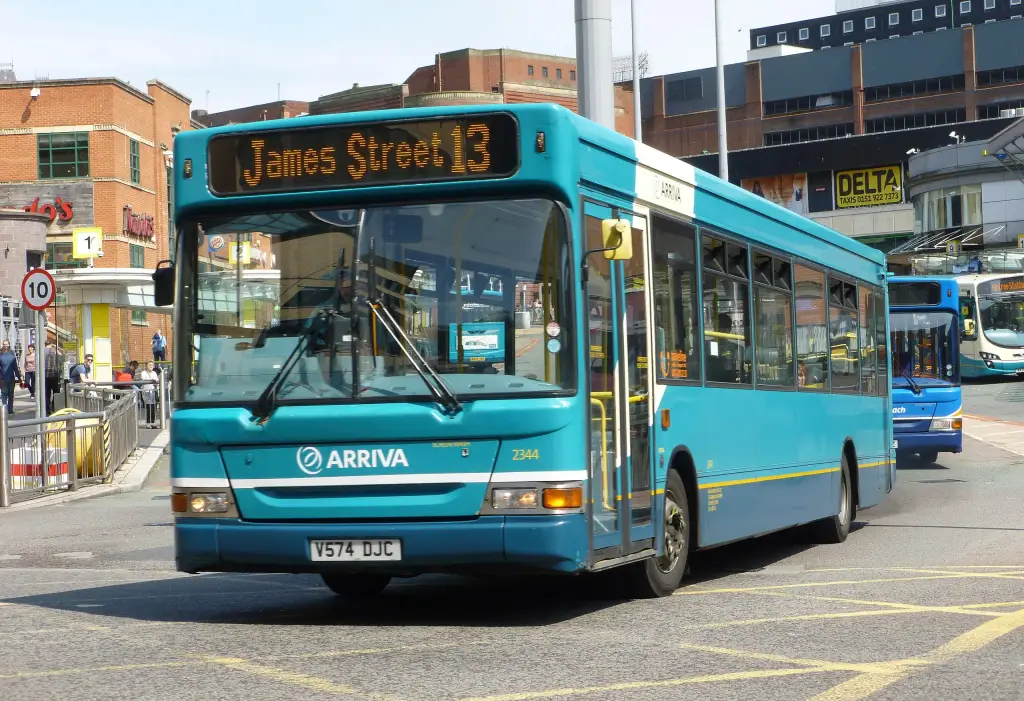
The Dart was conceived when the Hestair Group, owner of both Dennis and Duple, decided to build a bus that sat between a minibus and a full-size single-decker. It was launched in October 1988 at the British International Motor Show and at first came only with Duple Dartline bodywork. The bus was 2.3 m wide and began at 9.0 m long, later also offered at 8.5 m and 9.8 m; power came from a Cummins 6BT engine through an Allison AT545 gearbox. In 1989 the chassis was released to other bodybuilders: Wadham Stringer produced the Portsdown, Wright the Handybus, Plaxton the Pointer in early 1991, East Lancs the EL2000 later that year and Alexander the Dash in the second half of 1991. As low-floor buses took over in the late 1990s, orders for the step-entrance Dart fell away and production ended in 1998 after more than 3,400 first-generation buses.
Gas experiments
The Dart was used for early alternative-fuel trials. In 1993 Southampton Citybus converted six Dart 9SDL buses with Carlyle bodywork to compressed natural gas, with the cylinders in a pod on the roof, and ordered ten more in 1996; at the time it was the largest operator of gas-powered vehicles in Britain. In 1996 First Cityline in Bristol tried a pair of Plaxton Pointer bodied Dart MPDs with six CNG canisters on the roof, branded ‘GasBus’.
The low-floor Dart SLF
In 1996 Dennis launched the low-floor Dart SLF, Super Low Floor, 2.4 m wide and offered at first in 10 m and 10.6 m lengths, with air suspension replacing the taper leaf springs of the original. Bodywork included the low-floor Pointer, replaced by the Pointer 2 in 1997, the East Lancs Spryte, the UVG Urbanstar and later Caetano Nimbus, the Wright Crusader, the Alexander ALX200, the Marshall Capital and the MCV Evolution. Euro III emissions rules in October 2001 brought the Cummins ISBe engine, the four-cylinder 3.9-litre unit in every length except the 11.3 m version, which used the 5.9-litre six; the Euro IV ISBe arrived in late 2006. In the United States the Dart SLF with Alexander ALX200 bodywork was built and sold by Thomas Built Buses as the Thomas SLF 200. Production passed to TransBus International in 2001 and to Alexander Dennis in 2004, and ended in 2008 when the Enviro200 took over. The last Dart SLF entered service with Park Island Transport in March 2008.
Long and short versions
In 1997 the Dart SPD, Super Pointer Dart, arrived at 11.3 m long and typically seating 40 to 44, aimed at full-size rivals such as the Volvo B10BLE while keeping the light Dart construction; it used a more powerful engine and an Allison World Series B300R gearbox, with a Voith option. In 1998 came the Dart MPD, Mini Pointer Dart, 8.8 m long and seating 23 to 29, aimed at the new short midibuses such as the Optare Solo.
Design and features
- Rear engine: a compact midibus layout that made the Dart cheap to run and easy to body.
- Many bodies: more than a dozen bodybuilders fitted the chassis over the years.
- Low-floor SLF: the 1996 version brought step-free access and air suspension.
- CNG trials: Southampton and Bristol ran gas-powered Darts in the 1990s.
Dennis Dart versions
- Dart (1989–1998): the original high-floor chassis, over 3,400 built.
- Dart SLF (1996–2008): the low-floor version, over 9,100 built.
- Dart SPD (1997): 11.3 m Super Pointer Dart seating 40 to 44.
- Dart MPD (1998): 8.8 m Mini Pointer Dart seating 23 to 29.
- Thomas SLF 200: the American version built by Thomas Built Buses.
The Dart was the smaller companion to the Dennis Lance, while the Dennis Javelin covered the coach side of the range. More are in the Dennis collection.
Sources
- Dennis Dart, English Wikipedia: history, versions, production totals