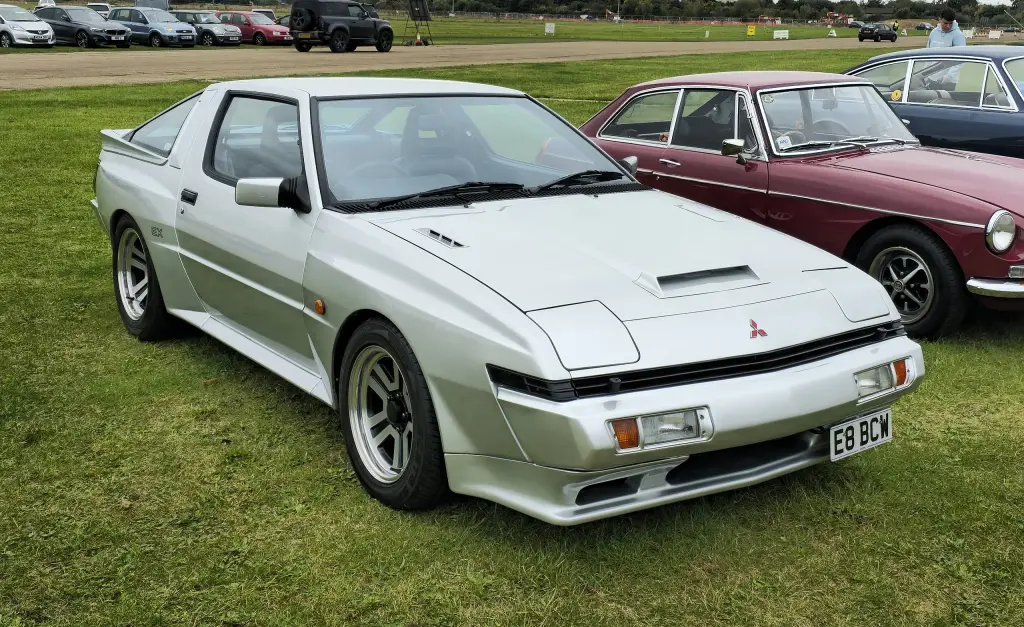
The Chrysler Conquest was the Chrysler-badged version of the Mitsubishi Starion, sold in North America from 1982 to 1989. A rear-wheel-drive coupé with a turbocharged four-cylinder engine and electronic fuel injection, it came in narrow and wide bodies, the wide TSi versions adding an intercooler.
Chrysler Conquest at a glance
| Production | 1982–1989 |
|---|---|
| Based on | Mitsubishi Starion |
| Body | two-door fastback coupé, 2+2 seating |
| Layout | front engine, rear-wheel drive |
| US engine | 2.6 L SOHC Astron G54B four |
| Other markets | 2.0 L Sirius G63B four |
| Power | 145–200 PS depending on turbo and intercooler |
| Bodies | narrowbody to 1985.5, then widebody |
| Transmission | five-speed manual standard, automatic optional |
| Suspension | MacPherson struts front and rear, anti-roll bars |
| Steering | recirculating ball, no rack and pinion |
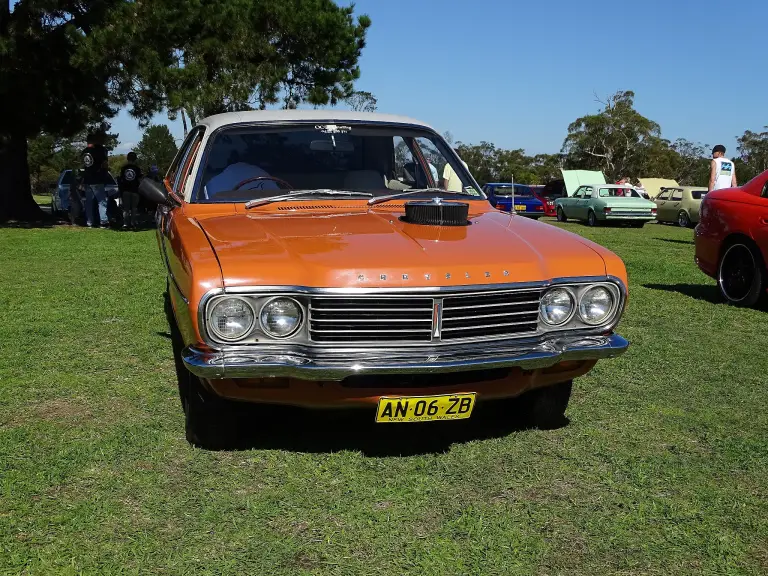
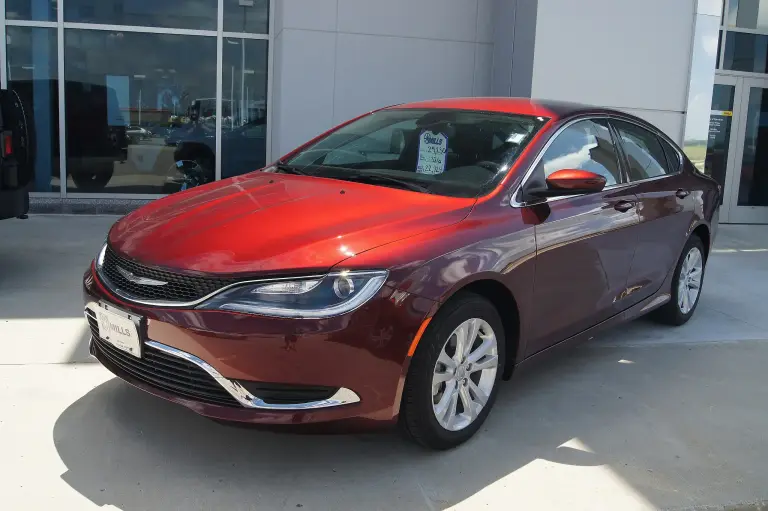
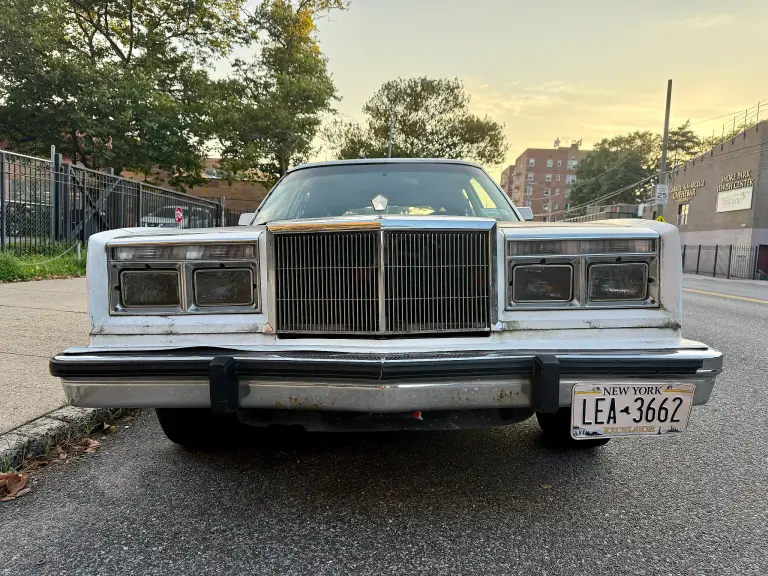
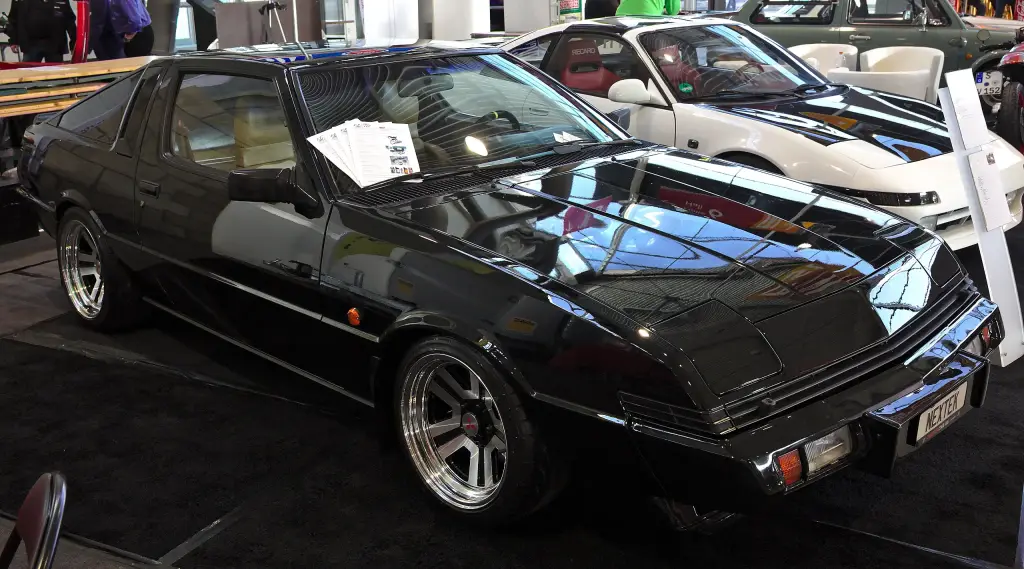
The Chrysler Conquest is the Chrysler-badged Mitsubishi Starion; this page uses the English Wikipedia article on the Starion, and the photographs show the car as sold with Mitsubishi badges.
History of the Chrysler Conquest
A Japanese turbo coupé with American badges
Mitsubishi began selling the Starion in 1982, in a period when Japanese grand tourers such as the Nissan Z cars, Mazda RX-7 and Toyota Supra were flourishing. In the United States it was sold as the Mitsubishi Starion, and badge-engineered versions were marketed as the Dodge, Plymouth and Chrysler Conquest; in the UK the car was the Colt Starion. It was one of the first modern Japanese turbocharged performance cars with electronic fuel injection.
Bodies and engines
The Starion was built in two body configurations. The narrowbody complied with Japanese exterior dimension regulations, which taxed larger vehicles and engines above two litres, and was the only version offered through the 1985.5 model year. The widebody split the range in two: a non-intercooled, lower-powered narrowbody and a high-performance intercooled widebody, usually badged Starion ESI-R or Conquest TSi. American buyers received the larger 2.6-litre SOHC Astron G54B engine, while most other markets had the 2.0-litre Sirius G63B; both were turbocharged and fuel-injected and produced roughly the same power, the 2.6 with more torque and the 2.0 with a higher redline. After 1987 tightening emissions rules pushed all markets to the 2.6. Output ranged from 145 to 200 PS depending on the turbocharger, the intercooler and whether the eight- or twelve-valve head was fitted. From 1984 to 1987 Japan also had a twelve-valve intercooled 2.0 in top-spec GSR-V cars, known as the Dual Action Super Head.
Chassis and equipment
The Starion used a front-mounted engine driving the rear wheels, with the chassis derived from the previous high-performance Mitsubishi Sapporo/Galant Lambda coupé, MacPherson struts and anti-roll bars at both ends, and recirculating-ball steering rather than rack and pinion. Many cars had a limited-slip differential and single-channel anti-lock brakes on the rear wheels. Seating was 2+2 with rear seats unsuitable for large adults, while the front seats adjusted for lumbar support, angle, knee support, position and side-brace angle. A five-speed manual was standard and an automatic optional; later cars had power windows that stayed live for thirty seconds after the engine was switched off, and 1987 and later American models had electrically operated seat belts.
Design and features
- Turbocharged four: the 2.6-litre Astron in America, the 2.0-litre Sirius elsewhere, both fuel-injected.
- Widebody TSi: an intercooled, higher-performance version from 1986.
- Rear-wheel drive: a traditional layout with a limited-slip differential on many cars.
- 2+2 fastback coupé: a long bonnet and fastback tail, with four seats in theory.
- Japanese turbo era: one of the first modern Japanese turbo cars with electronic fuel injection.
Chrysler Conquest versions
- Narrowbody (to 1985.5): the original body, with a non-intercooled engine.
- Widebody TSi (1986–1989): intercooled turbo and flared arches, up to 197 hp.
- Conquest TSi: the Chrysler-badged widebody version.
The Conquest shared its showroom with the Chrysler Laser and later the Crossfire, another two-seat Chrysler coupé built with a partner company. More cars are in the Chrysler collection.
Video: 1989 Chrysler Conquest TSi
Video by Rick Curtis on YouTube.
Sources
- Mitsubishi Starion, English Wikipedia: bodies, engines, chassis, equipment
- Mitsubishi Starion, Wikimedia Commons: photographs