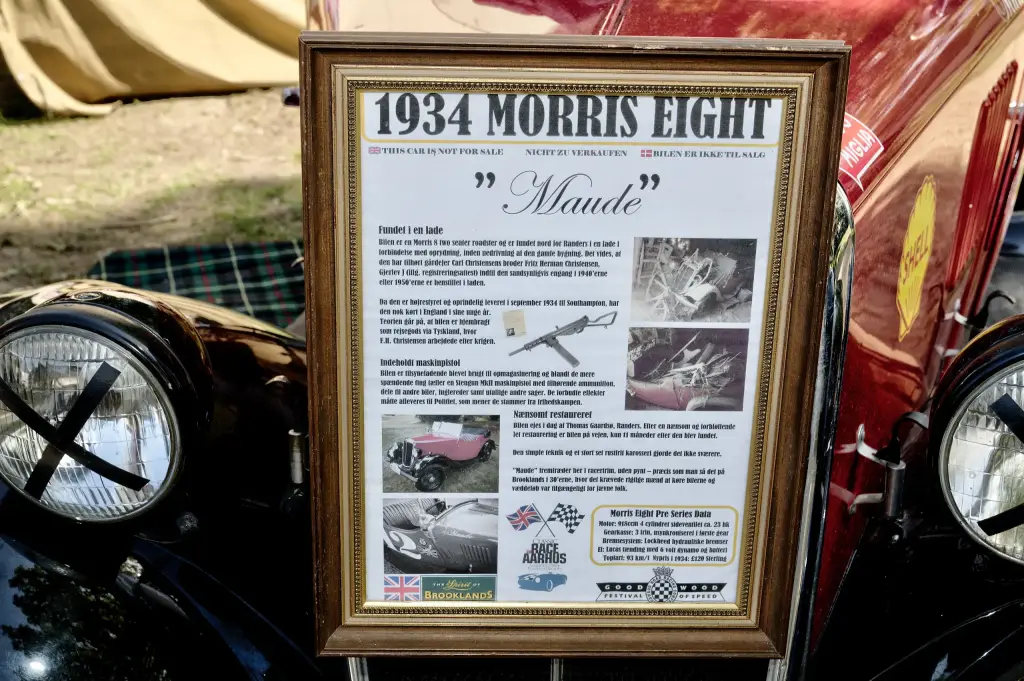

A classic car is bought twice: once with your eyes and once with your head. This guide puts the checks in the order that matters, paperwork first, rust second, originality third, and ends with a checklist you can tick off on your phone in front of the car.
The short version
Check the paperwork and the VIN before you fall in love. Then look for rust and hidden repairs, since a solid body with a tired engine is generally a better buy than the reverse. Check originality, drive it, and let a specialist look at it; walk away from a seller who refuses.
Before the car: what are you buying and what will it cost?
Decide first what kind of classic you want: a car ready to drive, a project or a show car. That depends on your skills and free time, and it changes what a sensible price is. Then count beyond the price: insurance, storage, routine maintenance and the first year of sorting-out work all come on top, and a reserve of about 20% of the total for surprises is a common recommendation.
Illustrative split following the “about 20% in reserve” advice in the Motorious guide.
Also check what “classic” means where you live, because it changes tax and registration. Definitions differ by country and club; Wikipedia lists a few rules.
| Place | Rule |
|---|---|
| United Kingdom | Cars built over 40 years ago are exempt from annual road tax and, if unmodified, from the MOT test; they can still be tested voluntarily |
| Germany | Vehicles registered 30 or more years ago can qualify for an “Oldtimer” plate, with a flat tax of €190 a year |
| United States | AACA counts vehicles 25 years or older; classic plate thresholds vary by state (for example 20 years in Maryland, 25 in West Virginia) |
| Australia | The Classic Vehicle Scheme covers vehicles over 25 (or 30) years old |
| Canada | The VCCC recognises vehicles 25 or more years old; NAACC recognises 20 or more |
1. Paperwork and identity come first
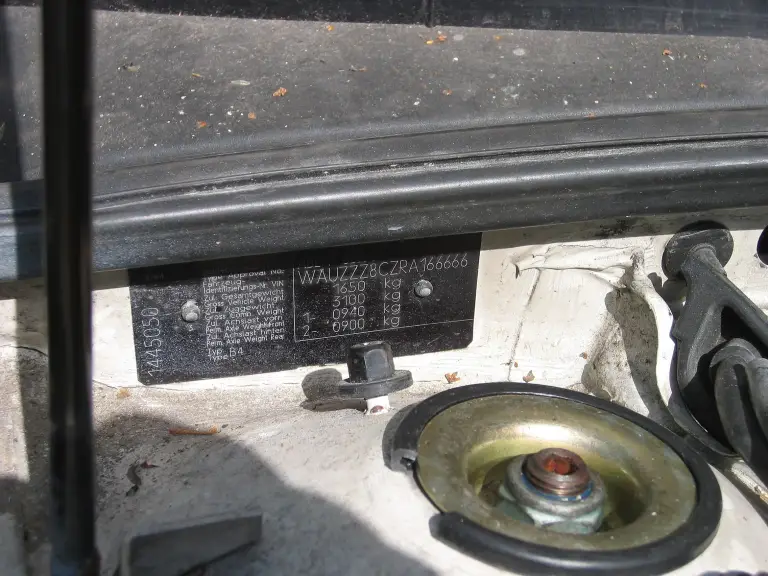
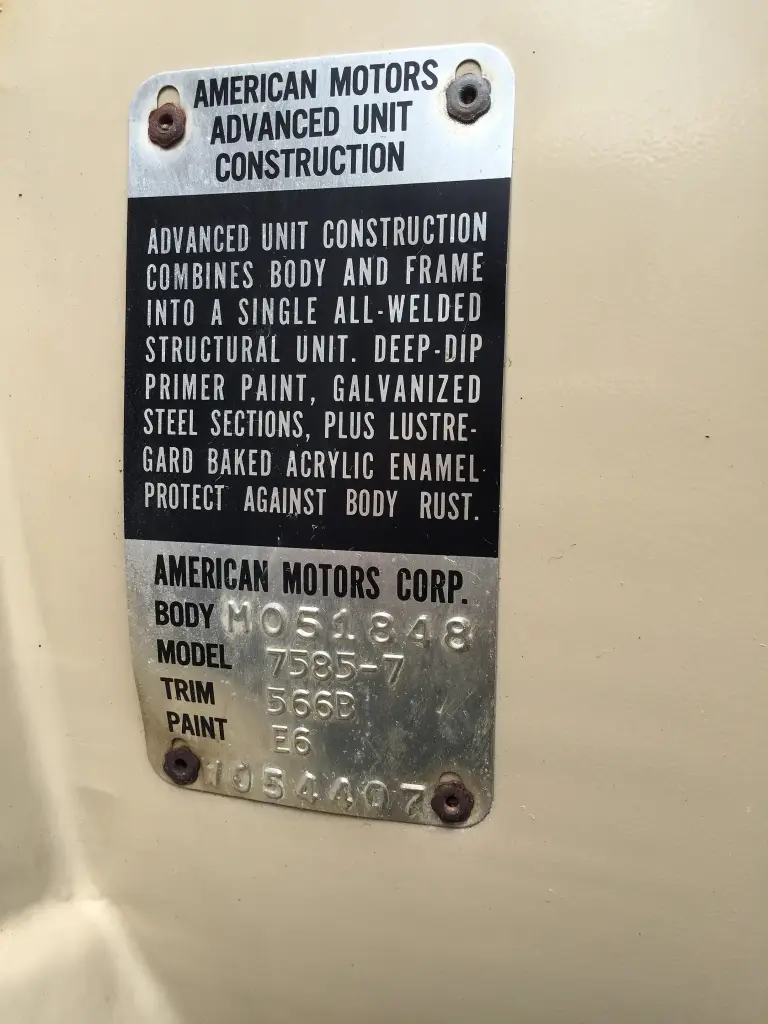
Confirm the VIN on the car matches the registration or title and the build records. Look at the service history for mileage that progresses sensibly and for gaps in use, and ask about any gap in the ownership trail that the seller cannot explain. In the UK, match the V5C details to the car’s actual numbers and consider an HPI check. A missing history is itself information.
If you are unsure how to read the number, our guide to reading a VIN explains where it sits on the car and what each character means. On a car built before 1981, remember that the 17-character rules do not apply.


2. Rust and structure
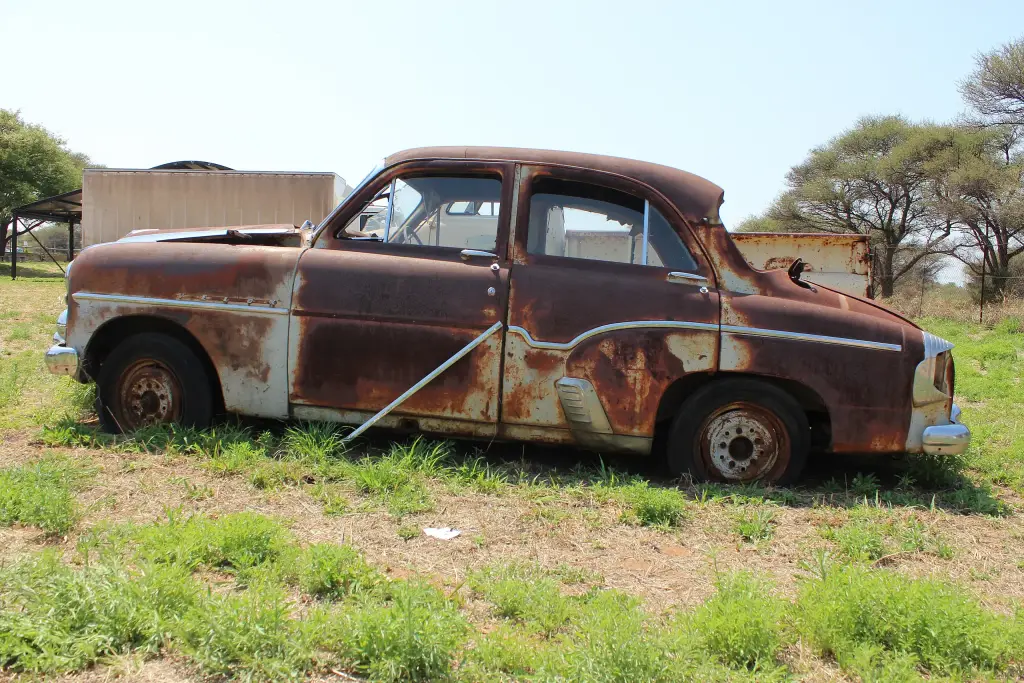
Rust is where classic purchases go wrong. Moisture and dirt collect in the same places on almost every car, so start there: valances, sills, wheel arches and the chassis, then floor pans, rocker panels, boot floor and the lower edges of doors and wings. A magnet and a torch help.
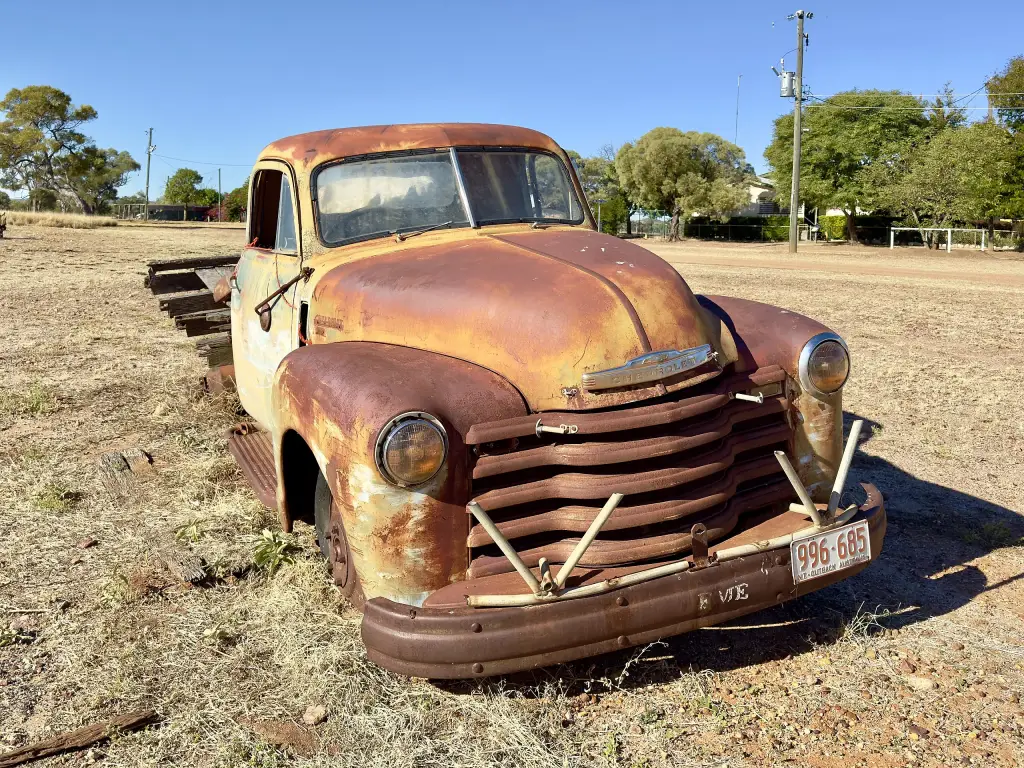

- Lumpy or “thick” panels and fresh overspray in those areas suggest filler or a recent repair.
- A magnet that will not stick to a steel panel points to filler underneath.
- Bubbling paint and uneven panel gaps can signal rust or an earlier accident.
- Doors, bonnet and boot should fit properly and the chassis should be straight; a bent chassis is a red flag.
Keep the priority straight: a solid body with a tired engine is usually a better buy than a fresh engine in a rusty shell.

3. Originality and matching numbers
Non-original parts can reduce a classic’s value, and the person best placed to spot them is a specialist in the marque, not a general mechanic. Look for matching numbers, meaning that the numbers on the engine and other major parts agree with each other and with the records, and treat missing or mismatched numbers as a reason to negotiate or walk away.
4. Mechanics, then the drive
Research the model’s known weak points through owner clubs and forums, then work through the car section by section: bodywork, running gear, engine, interior and electrics. Look for oil leaks, remembering that some are normal, and check for excessive play in the hubs, propshafts and steering. With the engine running, listen for knocking and watch that oil pressure and water temperature stay in range. Check the tyres for uneven wear and cracked sidewalls, and that the trim is complete and the electrics work. Old spark plugs, dirty oil and cracked fuel pipes tell you how the car has been looked after.
On the drive, confirm that it runs, steers and stops properly. Classics handle differently from modern cars, so take someone who knows them if you do not.
5. The inspection and the negotiation
Have a specialist who knows the make carry out a pre-purchase inspection. A seller who will not allow one is a seller to walk away from. If the inspection or your own checks turn up problems, raise them: the price may be negotiable.
Your pre-purchase checklist
Tick items off as you check them. The page remembers your ticks in this browser only.
Classic buying questions and answers
What should I check first when buying a classic car?
The paperwork and the VIN: confirm that the number on the car matches the registration and the build records, and that the history makes sense.
Where does rust usually hide?
In valances, sills, wheel arches and the chassis, as well as floor pans, rocker panels, the boot floor and the lower edges of doors and wings.
Is a numbers-matching car always worth more?
Non-original parts can reduce a classic’s value and mismatched numbers are listed among the red flags, so ask a specialist what is correct for the model.
Should I always get an inspection?
Yes, from a specialist who knows the make; refusal by the seller is a reason to walk away.
How much should I keep in reserve?
The Motorious guide suggests about 20% of your total budget.
This guide is based on two inspection guides read in full, Motorious and Hagerty UK, with age rules from Wikipedia. Other buyer guides agree on the order of checks but give no new numbers. The advice is general: always take a marque specialist with you.
Sources
- How to buy your first classic car, Motorious: budget and reserve, body and frame, inspection, paperwork
- How to inspect the classic of your dreams, Hagerty UK: rust hot spots, history file, V5C, inspection steps, red flags
- Classic car, English Wikipedia: age definitions and tax rules by country
- How to read a VIN, Details of Cars: where the number sits and what it means