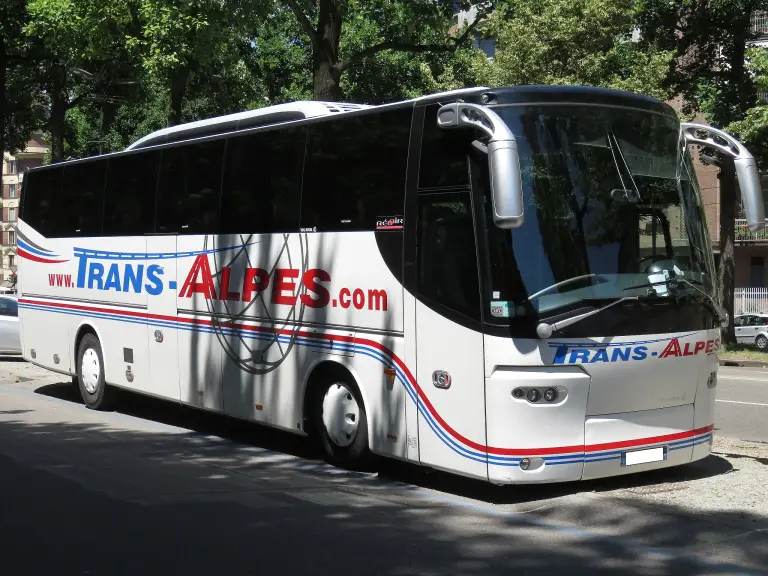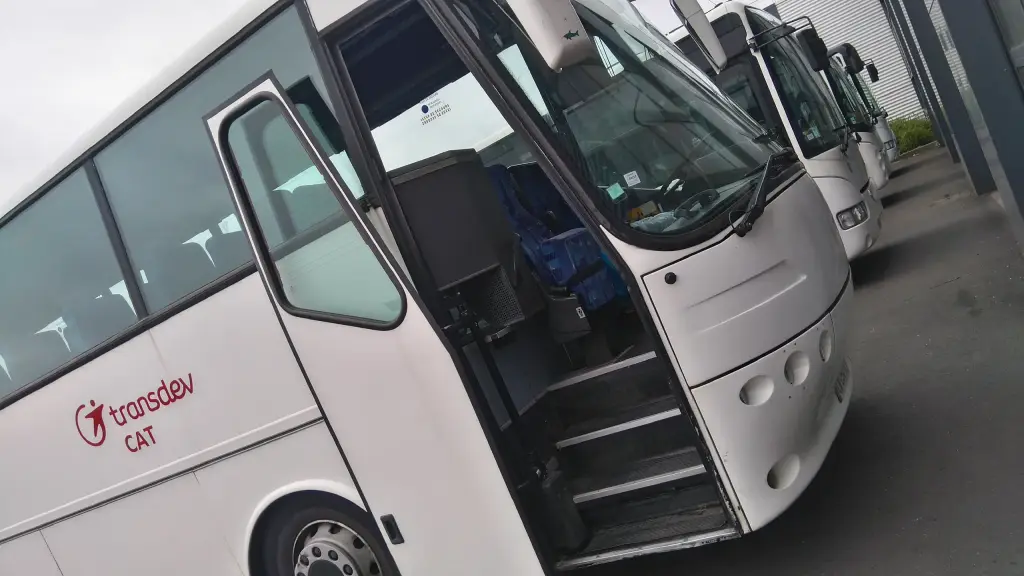
The Bova Futura was a range of coaches built at Valkenswaard in the Netherlands from September 1982. It replaced the Bova Europa and was sold for many years by Bova, then by the VDL Groep as the VDL Bova Futura, before a heavily facelifted model took the VDL Futura name in 2010.
Bova Futura at a glance
| Maker | Bova, Valkenswaard (VDL Bova from 2003) |
|---|---|
| Production | 1982–2010 as the Bova Futura |
| Predecessor | Bova Europa |
| Successor | VDL Futura 2, launched 2010 |
| Body | integral coach in high-floor FHD and low-floor FLD form |
| Distinctive feature | convex aerodynamic front with a bulge below the windscreen |
| Engines | DAF as standard; Mercedes-Benz, Cummins and MAN as options until 2000 |
| Engine, later models | 9.2-litre DAF diesel, up to 435 PS (320 kW) |
| Lengths | 10.4, 12.0 and 12.7 m on two axles; 13.5 and 14.8 m on three axles |
| Heights | 3.55 m high-floor, 3.26 m low-floor |
| Sold | over 8,000; about 11,000 by the mid-2000s |
The Futura is described in the English, German and Dutch Wikipedia articles on the model; the Bova FHD is a high-floor Futura and is covered in the same article.
History of the Bova Futura
Successor to the Europa
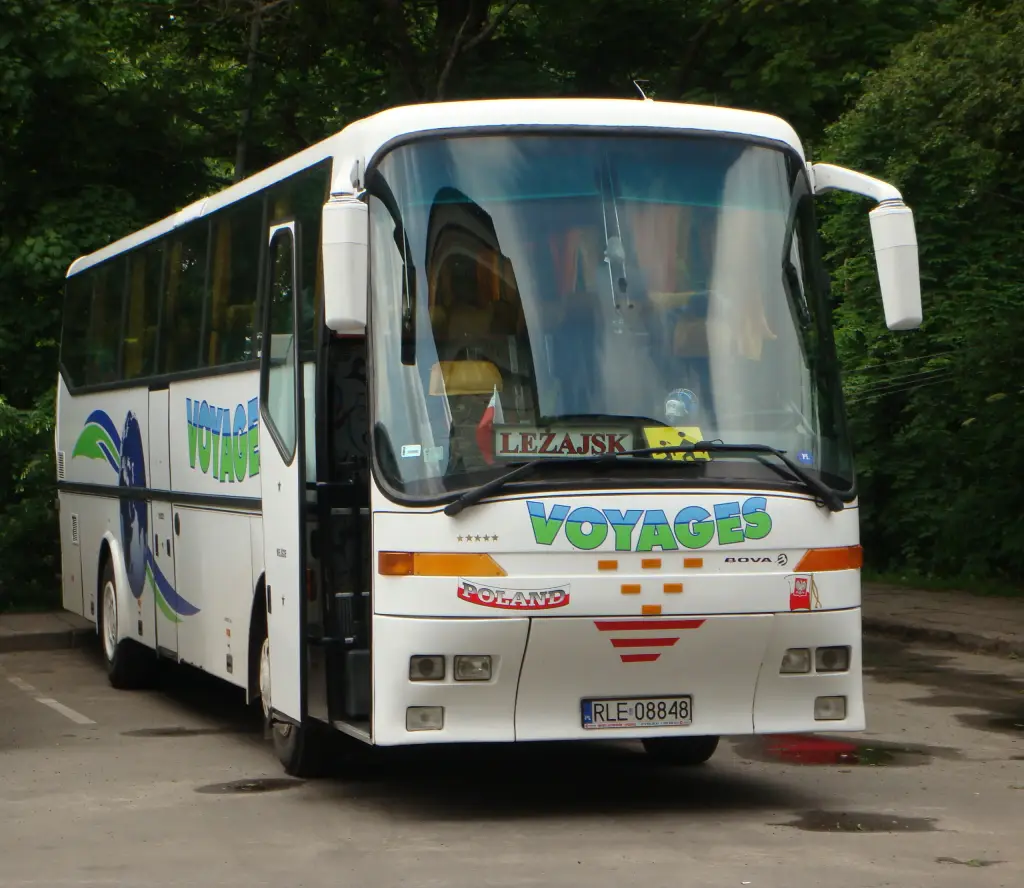
The Futura was introduced in September 1982 by Bova as the successor to its Europa coach. Where the Europa had angular lines, the Futura had a very distinctive convex aerodynamic front, and that shape gave the model its name: futura is Spanish and Italian for “future”. The prominent bulge below the windscreen remained a feature of the Futura through successive facelifts until the Futura 2 arrived in 2010.
The model was successful abroad as well as at home: by 1986 exports accounted for two thirds of production. Bus Australia bought more than 40 coaches, some imported in CKD form and assembled by JW Bolton in Perth, and four imported as frames with bodies completed locally by BHB Engineering.
A range of lengths and heights
Production began with a 12-metre coach in two heights: the 3.55 m high FH12 and the 3.26 m low-floor FL12. The high-floor versions were always the more numerous. In 1990 the range gained a shorter 10.4 m high-floor coach, the FH10, and a 12 m interurban bus and semi-coach, the 3.08 m high FV12, of which 169 were built during the 1990s. A third length for the two-axle coach, the 12.7 m FH13 and FL13, followed in 1996.
Three-axle versions were built from 1993 and marketed as the Futura Magnum. The 14.8 m FH15 and FL15 were launched at Busworld in Kortrijk, and the 13.5 m high-floor FH14 joined the range in 1995. The tri-axle Bova Futura was discontinued in 2007, after tri-axle versions of the Bova Magiq took over.
Engines and facelifts
From the start the Futura was available with DAF engines as standard, with Mercedes-Benz units as an option. Cummins and MAN engines became available in 1994, but every non-DAF option was dropped when the Euro 3 emission standards came into effect in 2000. The engine maker can be read from the third letter of the model code: a 12 m high-floor coach was an FHD12 with a DAF engine, FHM12 with a Mercedes-Benz, FHC12 with a Cummins or FHX12 with a MAN.
The coach was facelifted several times, and the headlights are the easiest way to tell the phases apart. The 1982 cars had large circular quad headlamps in rectangular recesses near the bottom corners of the front; 1988 brought small rectangular quad lamps slightly higher up; 1999 small circular quad headlights with circular indicators; and 2007 grouped lamps in a single irregular recess on each side, with a slightly less bulbous nose. Many older coaches have since been given newer front panels, which makes the headlamp test less reliable than it once was.
Towards the end of the original model’s run the type codes were revised to show length in decimetres, so the FHD and FLD 10, 12 and 13 became the 104, 120 and 127. After the VDL Futura 2 was introduced in 2010, the last version of the Bova Futura stayed on sale for a time as a cheaper alternative called the VDL Futura Classic.
Design and features
- Convex aerodynamic front: the bulge below the windscreen defined the Futura from 1982 until 2010.
- Two heights: high-floor FHD and low-floor FLD coaches on the same body.
- DAF power: DAF diesels as standard, with Mercedes-Benz, Cummins and MAN options until 2000.
- Long production: nearly three decades in the Bova range, with several facelifts.
- Export success: two thirds of production exported by 1986, with coaches sold as far as Australia.
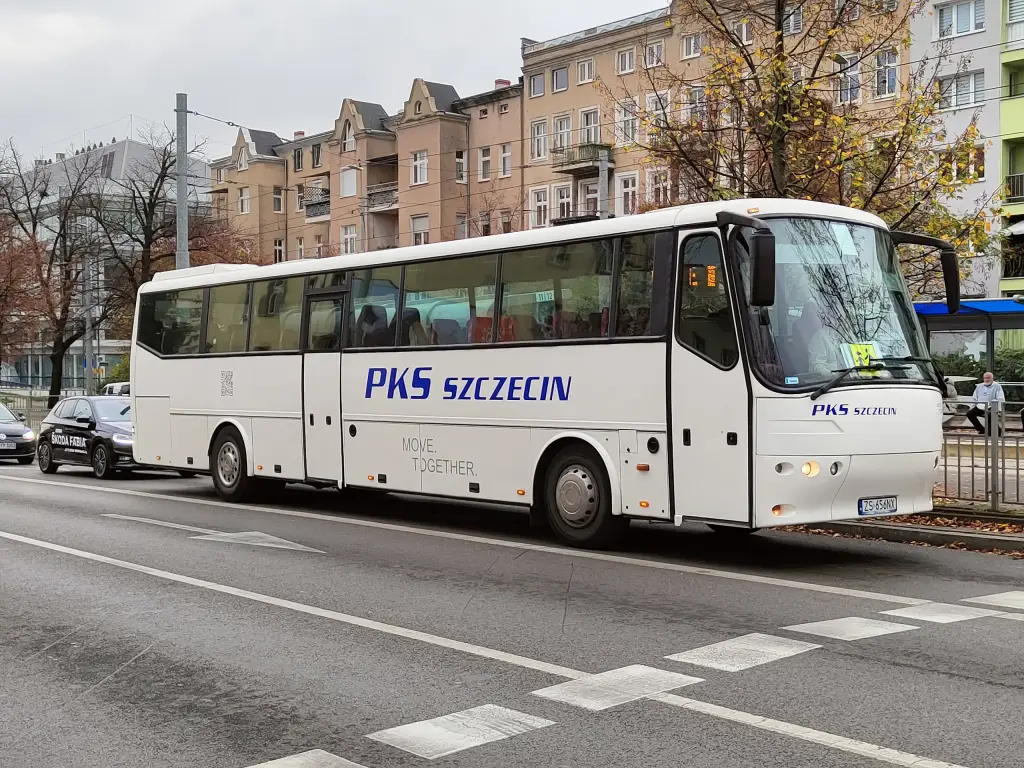
Bova Futura versions
- FH12 and FL12 (1982): the original 12 m coach in high-floor and low-floor form.
- FH10 (1990): a shorter 10.4 m high-floor coach.
- FV12 (1990): interurban bus and semi-coach, 169 built.
- Futura Magnum FH15 and FL15 (1993): 14.8 m three-axle coaches, joined by the 13.5 m FH14 in 1995.
- FHD and FLD 104, 120 and 127: the revised codes of the later production years.
- VDL Futura Classic: the final Bova Futura sold alongside the Futura 2 after 2010.
The Futura shared its range with the flagship Bova Magiq, and it had replaced the earlier Bova Europa in 1982. More coaches are in the Bova collection.
Sources
- VDL Futura, English Wikipedia: history, engines, lengths, facelifts
- VDL Futura, German Wikipedia: engine output, versions, sales total
- VDL Futura, Dutch Wikipedia: heights, Magnum, production numbers