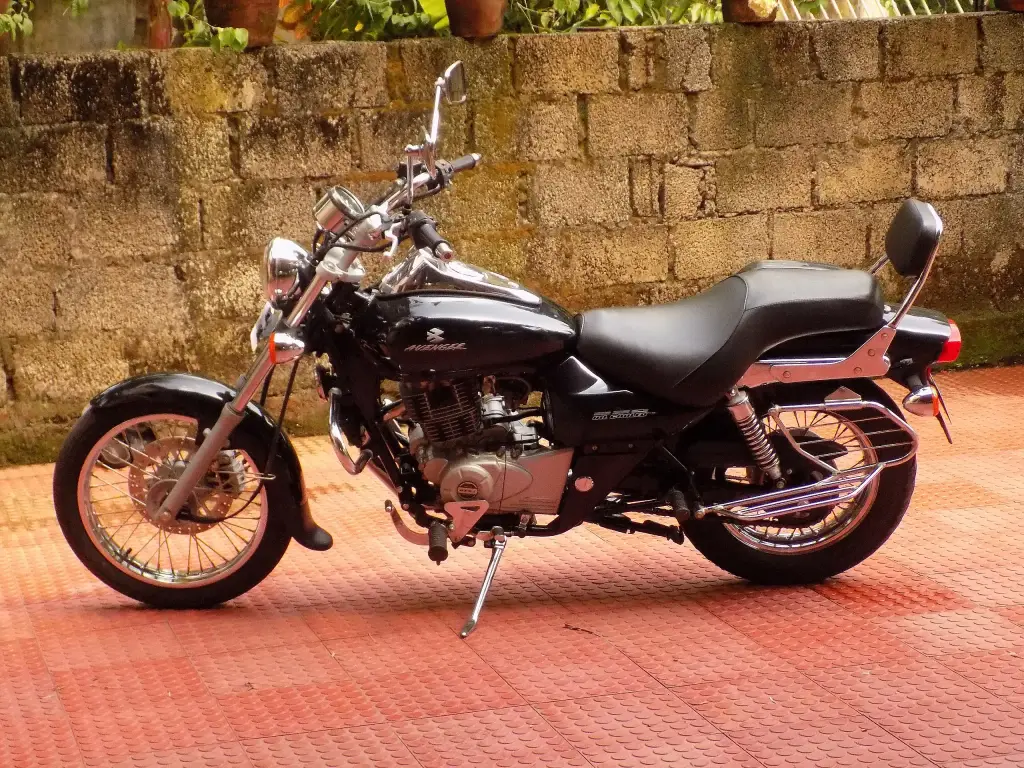
The Bajaj Avenger is a cruiser-style motorcycle made by Bajaj Auto in India. It was launched on 6 September 2005 and is described as the first cruiser developed by an Indian company. Its styling and design cues came from the Kawasaki Eliminator, and its engine grew from 180 to 200 and then 220 cc.
Bajaj Avenger at a glance
| Maker | Bajaj Auto, India |
|---|---|
| Class | Cruiser motorcycle |
| Launched | 6 September 2005 |
| First engine | 178.6 cc DTS-i, four-stroke, single-cylinder |
| Wheelbase | 1,475 mm |
| Fuel economy | about 45 km/l (Avenger 180) |
| 2007 engine | 200 cc, oil-cooled |
| 2010 engine | 220 cc, oil-cooled |
| Top speed | 114 km/h (200), 135 km/h (220) |
| Second generation | 2015, Street and Cruise versions |
| Third generation | January 2018 |
Based on one source: the English Wikipedia article on the Avenger.
History of the Bajaj Avenger
First generation (2005–2015)
The Avenger was created to give Bajaj a place in the premium segment. Engineers replaced the Kawasaki engine of the Eliminator with the 178.6 cc DTS-i unit from the Pulsar sportbike, retuned for the torque-demanding character of a cruiser. The 180 was launched on 6 September 2005 with a wheelbase of 1,475 mm and a claimed mileage of about 45 km per litre.
Bigger engines
In 2007 the engine capacity rose to 200 cc with an oil-cooled unit derived from the Pulsar 200. It produced slightly less power and torque than the Pulsar version, reached 114 km/h and accelerated from 0 to 100 km/h in 20.03 seconds. In July 2010 Bajaj added a 220 cc version with an oil-cooled radiator, a revised instrument dial and a top speed of 135 km/h. The 220 returned 35–40 km per litre and had a 14-litre tank. These first-generation models are now discontinued.
Second generation (2015–2017)
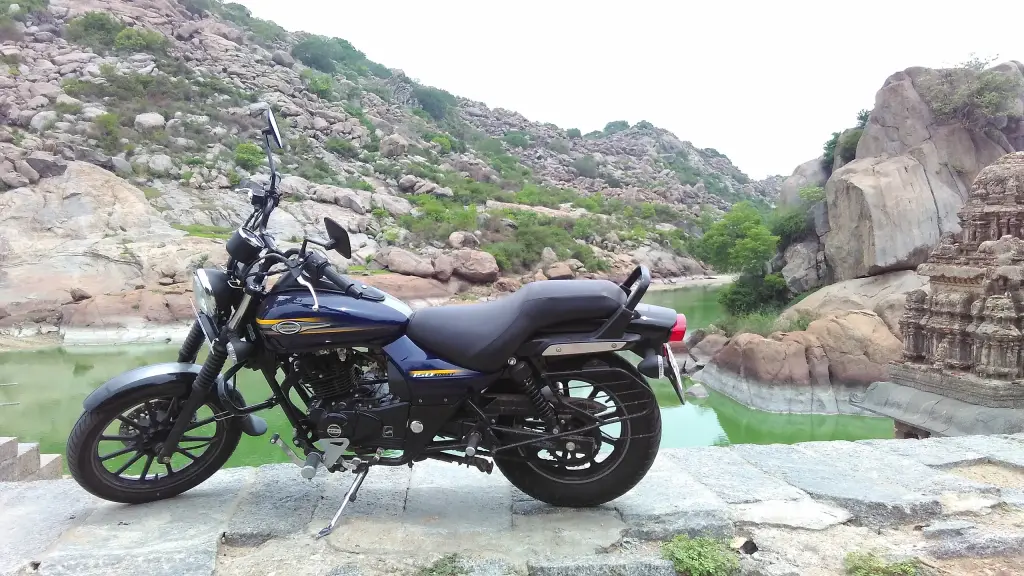
The 2015 makeover brought new paint, alloy wheels and a new Avenger insignia. Two families appeared. The Street was conceived as a cross between a cruiser and a city bike, with handlebar positioning and handling to match, and came with 150 or 220 cc engines. The Cruise was a more traditional cruiser with a 220 cc engine, extra chrome on the oil cooler and horn, an optional windshield and a blue-backlit digital meter. The Street 150 was launched in October 2015 with a carburettor, a top speed of 117 km/h and about 45 km per litre. The Street 220 was tuned for stronger mid-range torque and reached 120 km/h.
Third generation (2018 onwards)
The third generation arrived in January 2018 to answer the Suzuki Intruder. The 150 cc model was retired in favour of a 180 cc version. The update added a headlamp with LED daytime running lights, a digital instrument cluster with speedometer, two trip meters, fuel gauge and service reminder, a tall shroud over the instruments and new graphics. In May 2019 Bajaj launched the Avenger Street 160 ABS in Ebony Black and Spicy Red.
Design and features
- Cruiser stance: a long 1,475 mm wheelbase and low-slung riding position.
- Pulsar-derived engine: the original 178.6 cc DTS-i unit was retuned for low-down torque.
- Street and Cruise: from 2015 the range split between a city-oriented Street and a traditional Cruise.
- Digital instruments: the 2018 generation added a multi-function cluster with service reminder.
- Rider community: the Avenger Gods, or TAG, is the official Bajaj-supported owners’ club.
Bajaj Avenger versions
- Avenger 180 (2005): the original 178.6 cc cruiser.
- Avenger 200 (2007): oil-cooled 200 cc engine from the Pulsar 200.
- Avenger 220 (2010): the largest first-generation engine, top speed 135 km/h.
- Avenger Street 150 (2015): carburettor, 117 km/h, about 45 km/l.
- Avenger Street 220 and Cruise 220 (2015): matte-black street style and chrome-heavy cruiser style.
- Avenger Street 180 and Street 160 ABS (2018–2019): third-generation models with LED DRLs and a digital cluster.
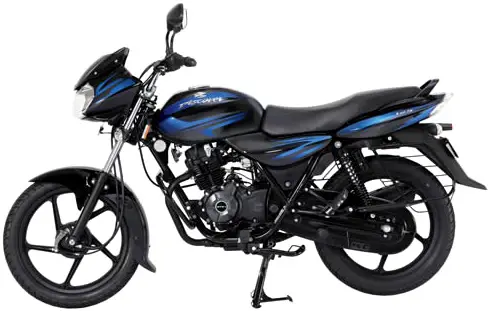
The Avenger’s engine came from the Bajaj Pulsar, and the two models long shared Bajaj’s premium showroom space. Other Bajaj machines are in the Bajaj collection.
Video: Yelagiri – A Bajaj Avenger Club Ridomentary
Video on YouTube.
Sources
- Bajaj Avenger, English Wikipedia: history, engines, generations