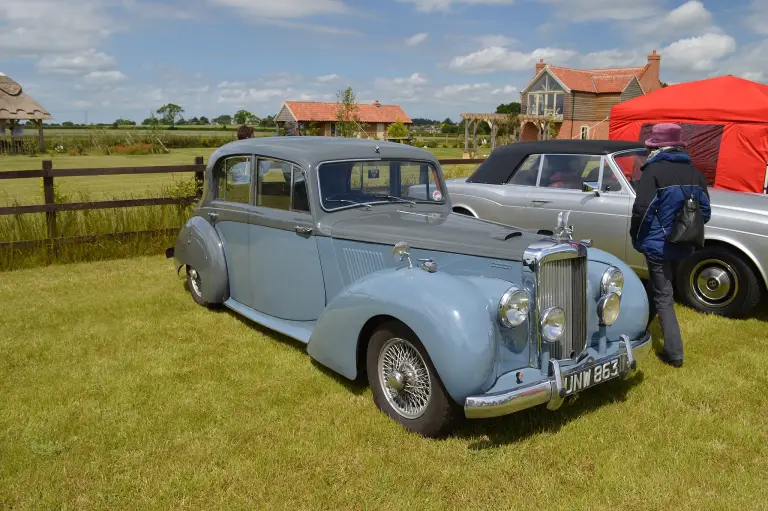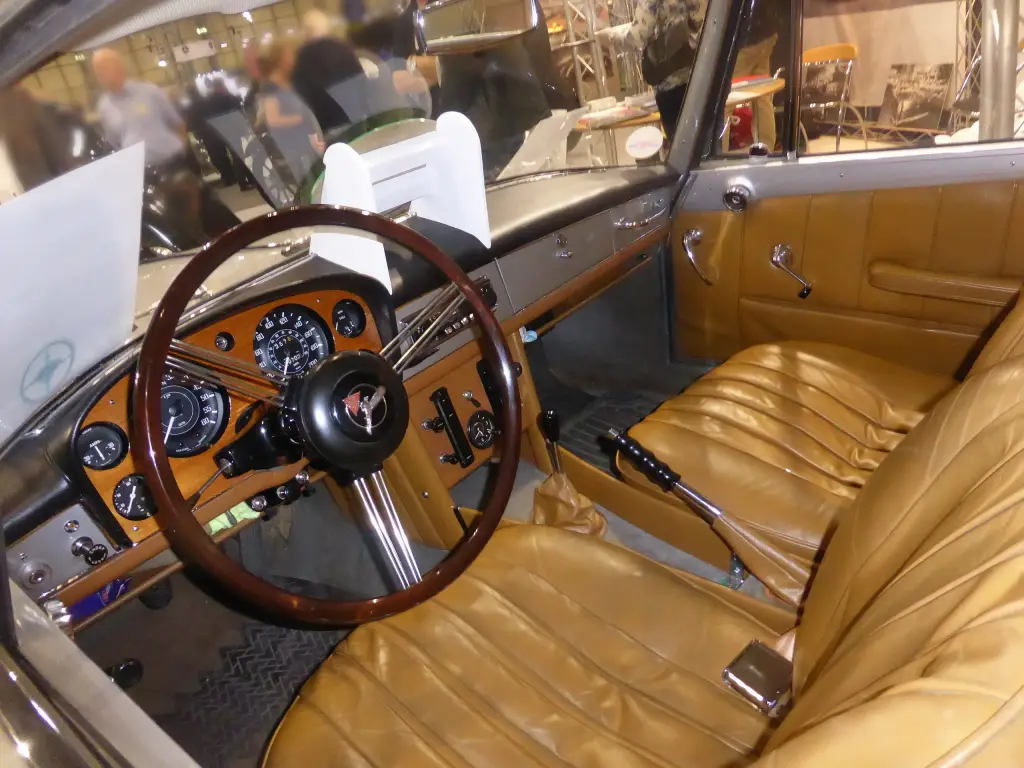
The Alvis Three Litre Series IV, also known as the TF 21, an updated version of the 1963 TE 21, was the last car produced by Alvis. It was announced at the Geneva Motor Show in March 1966 and remained in production until 1967.
Alvis TF 21 at a glance
| Production | announced March 1966, production until 1967 |
|---|---|
| Engine | 2,993 cc six-cylinder, 150 bhp (112 kW) at 4,750 rpm, triple SU carburettors |
| Gearbox | ZF five-speed or automatic |
| Brakes | discs on all wheels; power steering optional |
| Top speed | 120 mph (193 km/h) |
| Predecessor | TE 21, available to special order until 1967 |
This page is based on English Wikipedia only, so the figures could not be cross-checked against a second source.
History of the Alvis TF 21
Externally the car was identical to the TE 21, but there were some changes to the suspension and the instruments inside were better organised. The 2,993 cc engine, first used in the 1950 TA 21, had its power raised to 150 bhp by fitting triple SU carburettors, which gave the car a top speed of 120 mph.
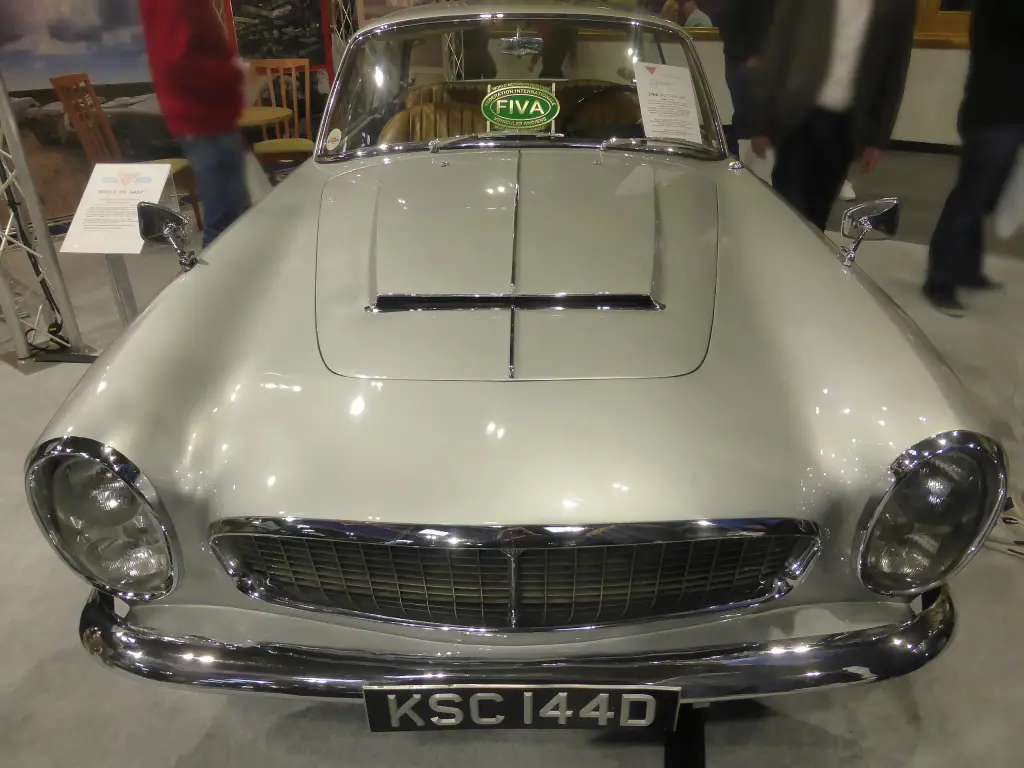
The chassis and suspension continued with coil springs at the front and leaf springs at the rear, with disc brakes on all wheels and recirculating-ball steering with optional power assistance. In August 1967 it was announced that production of the Park Ward-bodied Alvis 3-litre had ceased.
Design and features
- Engine: triple SU carburettors for 150 bhp.
- Cabin: better organised instruments.
Alvis TF 21 versions
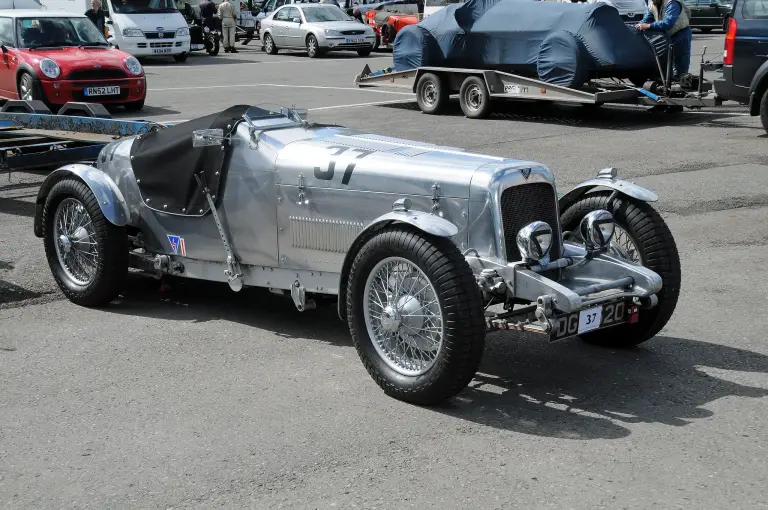
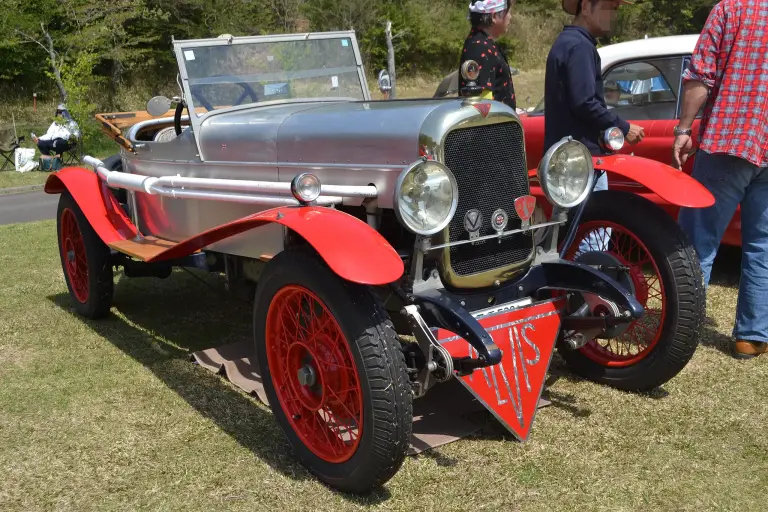
- Saloon and drophead as on the TE 21; the Graber Super version is shown in the photos.
More Alvis cars are in our Alvis collection, for example the TE 21 and the TD 21.
Alvis TF 21 questions and answers
Was the TF 21 the last Alvis?
Yes, it was the last car produced by Alvis.
How fast was it?
Top speed 120 mph.
When did production end?
Production of the Park Ward-bodied 3-litre was announced as ended in August 1967.
Sources
- Alvis TF 21, English Wikipedia: history and specifications