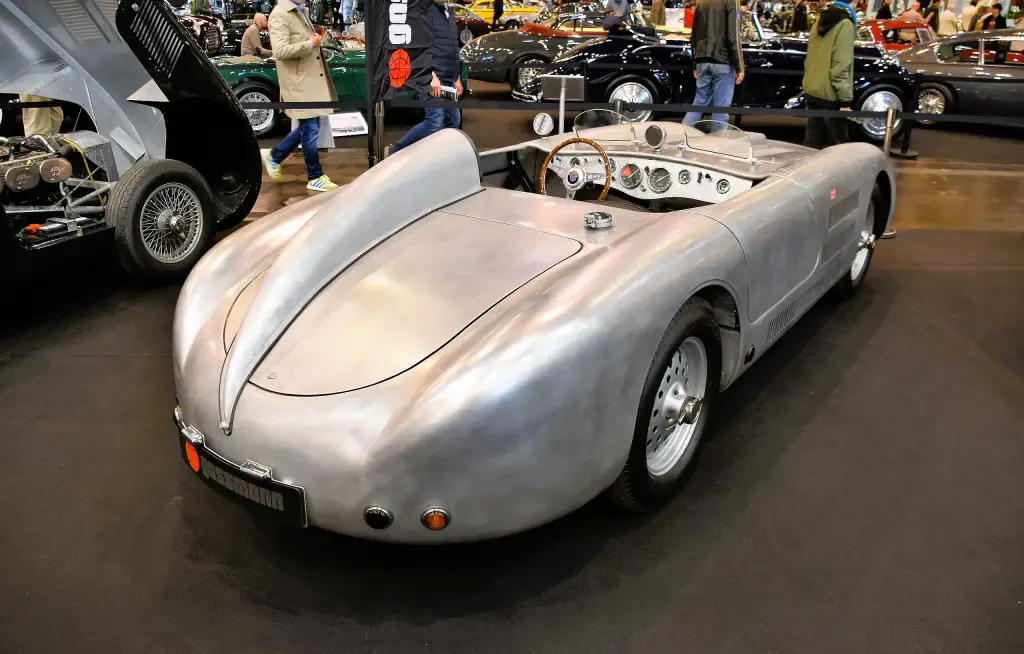

The Veritas RS was a German sports-racing car built around the BMW 328, and it is the model with which the small Veritas marque appeared in Formula One. Between 1952 and 1953 it took part in five World Championship Grands Prix, its best result a seventh place at the 1952 German Grand Prix driven by Fritz Riess.
Veritas RS at a glance
| Maker | Veritas |
|---|---|
| Model | RS (Rennsport) |
| Production | 1949–1950 |
| Basis | BMW 328 |
| Engine | 2.0-litre BMW 328-derived, 125 hp (93 kW), up to 135 hp (101 kW) in some cars |
| Later engine | 2-litre Heinkel unit of 1998 cm³ |
| Formula One races | five World Championship Grands Prix, 1952–1953 |
| Best Formula One result | 7th, 1952 German Grand Prix, Fritz Riess |
| Road version | Veritas Komet coupé (1949) |
| Works location | Muggensturm, from 1949 |
The article is based on one source, the English Wikipedia page on the Veritas RS.
History of the Veritas RS
The BMW 328 connection
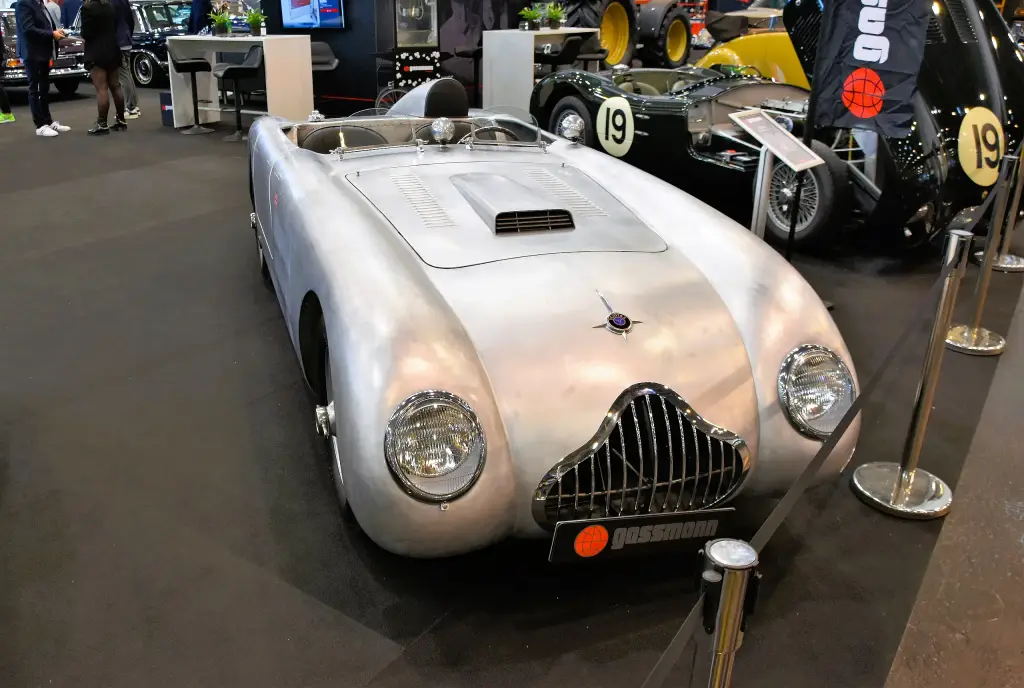
The Veritas RS grew out of the BMW 328, the pre-war sports car whose engine and running gear formed the basis of the new machine. Work on the racing sports car was completed in 1949, with the engine output raised to 125 hp (93 kW); some cars reached up to 135 hp (101 kW). The photographs of surviving cars show an open two-seat Spyder body, the layout used for sports-racing cars of the period.

Formula One
With the RS, Veritas entered five World Championship Grands Prix: the 1952 Swiss, Belgian and German Grands Prix and the 1953 Belgian and German Grands Prix. The best result came at the 1952 German Grand Prix, where Fritz Riess finished seventh. In those years the World Championship was run for Formula One cars, and a two-litre sports-racing car of this kind could still be entered alongside the specialist single-seaters.
The Komet and the move to Muggensturm
1949 also brought the Veritas Komet coupé, a road version of the RS for customers who wanted the car for the road rather than the circuit. In the same year the firm moved to Muggensturm, and there it gave up the two-litre BMW engine of the 328 in favour of a two-litre engine of 1998 cm³ made by Heinkel.
The end of series production
The cars attracted attention: Veritas received 200 orders for its motorised models. The orders were not enough to save the company, however, and poor financial management brought series production to an end in 1950. The RS thus had a short life as a production model, although the cars continued to be seen in competition afterwards.
Design and features
- BMW 328 basis: the chassis and engine layout came from the pre-war BMW sports car.
- Tuned two-litre engine: 125 hp as standard, with some cars reaching 135 hp.
- Formula One record: five World Championship starts in 1952 and 1953, with a best finish of seventh in Germany.
- Open Spyder body: a two-seat sports-racing layout, as shown by the surviving cars.
Veritas RS versions
- RS racing car (1949–1950): the BMW-engined sports-racing model.
- Heinkel-engined cars: after the move to Muggensturm, the BMW unit was replaced by a 1998 cm³ Heinkel engine.
- Komet coupé (1949): the road version of the RS.
The RS is the racing model of a small German marque; more cars of the make are in the Veritas collection.
Sources
- Veritas RS, English Wikipedia: history, engines, Formula One results, Komet, end of production