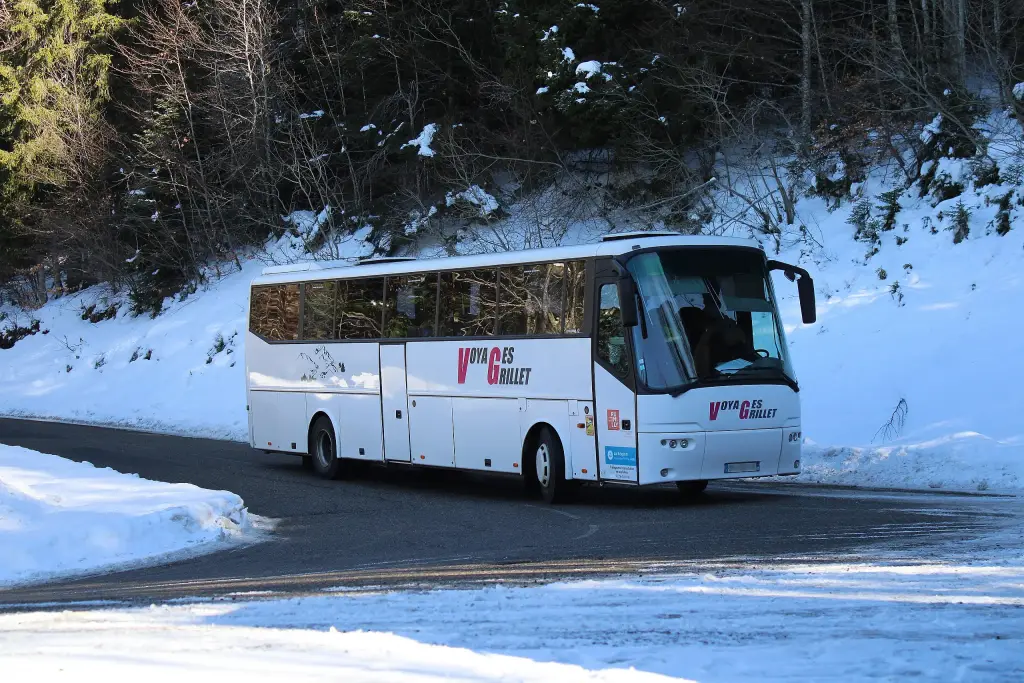
Bova was a Dutch coachbuilder in Valkenswaard, best known for the Futura, a streamlined touring coach introduced in 1982 and built for decades afterwards. The company began as a timber business, started building coaches in the 1950s and was bought by the VDL Groep in May 2003; since 2010 its vehicles have carried the VDL name.
VDL Bova at a glance
| Origins | 1878, a timber business founded by Jacob D. Bots in Valkenswaard |
|---|---|
| Name | BOVA, from Bots Valkenswaard, introduced by his son Simon |
| Coachbuilding | bus building began in 1954; first bus delivered on 25 February 1955 |
| First integral coach | Benelux, 1969–1970, seven years in production |
| Europa | 1977, a coach designed for touring, strong in the United Kingdom |
| Xpress | 1980, rear-engined bus with a partly low floor; 16 built, all for OAD |
| Futura | 1982, the most successful Bova model |
| Ownership | part of United Bus in 1990, independent again in 1993 |
| Bought by VDL | May 2003; renamed VDL Bova |
| Brand ended | 2010, when all VDL bus brands became VDL |
| 8,000th bus | delivered in 2005 |
| Factory today | VDL Bus Valkenswaard, renamed in 2011 |
English Wikipedia dates the start of coachbuilding to 1931 and the Benelux to 1969, while the Dutch article gives 1954 for the start of bus building and lists the Benelux under 1970; this page follows the Dutch chronology. The English article also places the works in Eindhoven, whereas the Dutch sources put Bova in Valkenswaard.
History of the VDL Bova
The business that became Bova started in 1878, when Jacob D. Bots founded a timber company in Valkenswaard. His eldest son Simon later introduced the name Bova, taken from Bots Valkenswaard. Bus building began in 1954 and the first bus was delivered on 25 February 1955; by the company’s tenth year in the trade it had built 330 buses, mostly on chassis from makers such as DAF, Scania Vabis, Mercedes-Benz, Büssing and Bedford.
Integral coaches
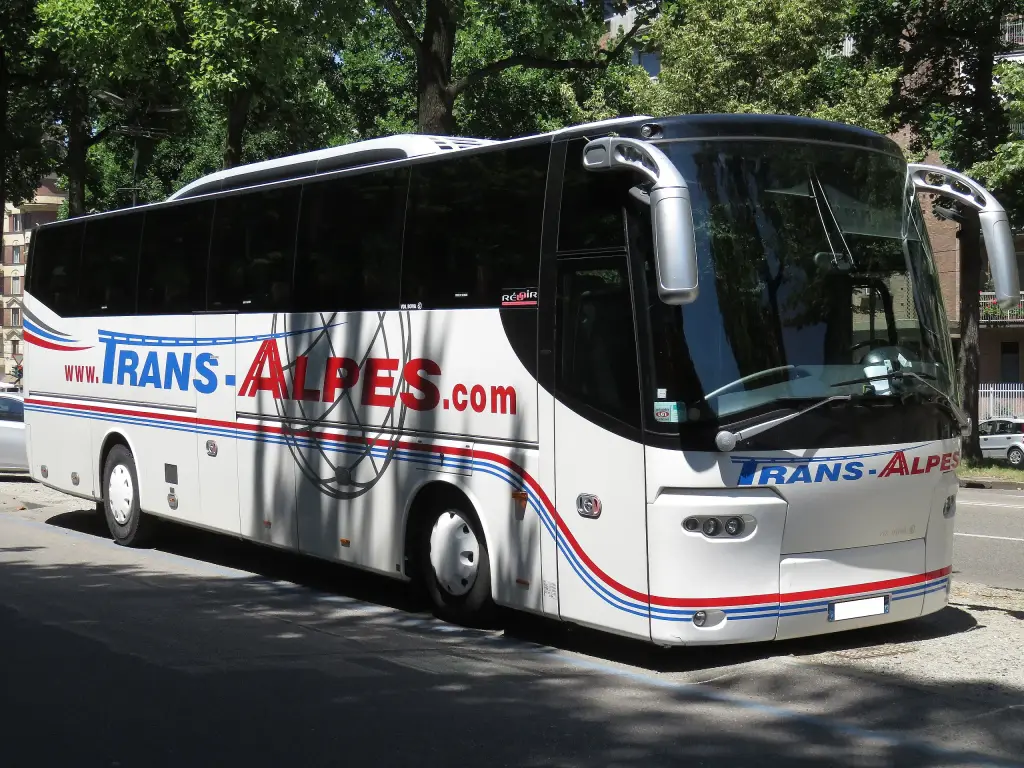
In 1970 Bova changed direction and began building integral, self-supporting vehicles. The first of them, the Benelux, stayed in production for seven years and was sold both as a touring coach and as a regional bus. In 1977 it was replaced by the Europa, designed specifically as a coach, which sold particularly well in the United Kingdom. The Xpress of 1980, with its rear engine and partly low floor, was an attempt to win the regional bus market; only sixteen were built, all for Bova’s largest customer, OAD, and the Dutch public transport companies kept to the standard regional bus instead.
The Futura
In 1982 Bova introduced the Futura, with a body and an aerodynamic front that looked modern for the time. It became by far the most successful Bova product and was sold throughout Europe and beyond. In 1999 came the Magiq, a completely new coach with a modern front. Bova was part of United Bus from 1990 and became independent again in 1993, when United Bus went bankrupt.
Under VDL
In May 2003 the VDL Groep bought Bova, which was renamed VDL Bova and joined the group’s bus division, VDL Bus Groep, known since 25 September 2010 as VDL Bus & Coach. VDL added the Bova Synergy in 2004, in effect a Berkhof Axial double-decker with different styling, and the Lexio in 2005, the year Bova delivered its 8,000th bus. In 2007 the ‘Nieuwe Futura’ range replaced the Magiq, with a Euro 4 engine and particulate filter instead of the Euro 3 unit, while the classic Futura continued as the Futura Classic. In January 2009 the company announced 100 job cuts, almost 20 per cent of the workforce, blaming falling orders and high wage costs compared with competitors in countries such as Turkey. On 29 August 2011 the new VDL Futura, styled by Van der Veer Designers of Geldermalsen, was named International Coach of the Year 2012.
From 2010 the separate brands were dropped and Bova became part of VDL Bus & Coach. The Valkenswaard factory was renamed VDL Bus Valkenswaard in October 2011, and coaches from it have been sold simply as VDL since then.
Design and features
- Integral construction: from 1970 Bova built self-supporting bodies instead of mounting bodywork on other makers’ chassis.
- Aerodynamic front: the 1982 Futura set the shape of Bova coaches for the next three decades.
- Coach focus: the range was built around touring coaches, with the Xpress the one serious attempt at a regional bus.
- Wide export: the Futura was sold across Europe and beyond, and the Europa was especially popular in Britain.
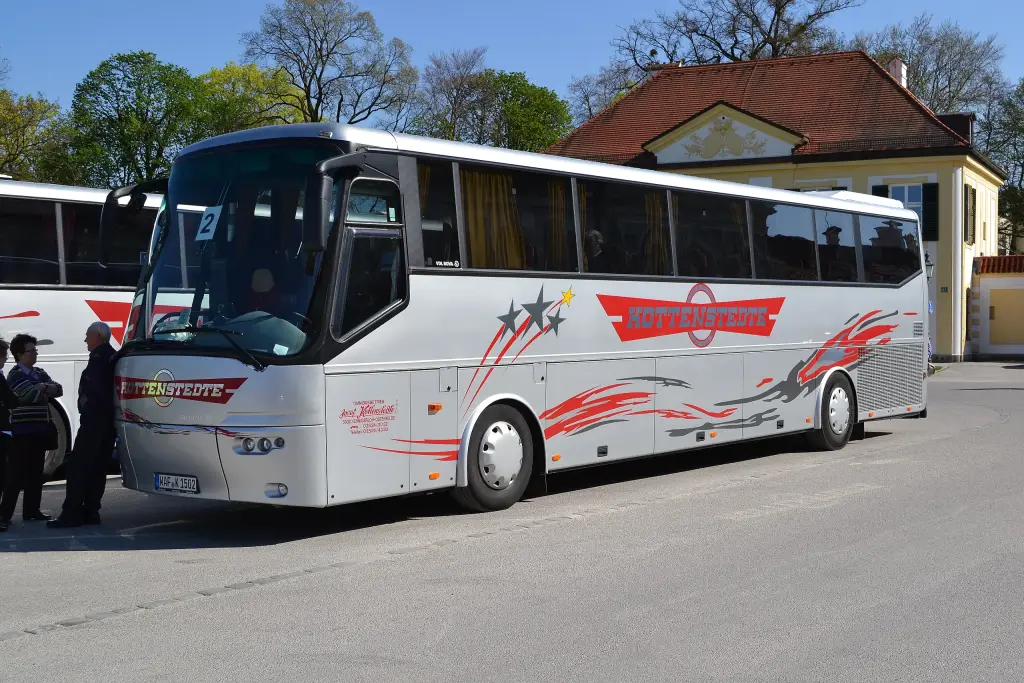
VDL Bova versions
- Benelux (1969–1970): the first integral model, sold as a coach and as a regional bus for seven years.
- Europa (1977): a purpose-designed coach, replaced later by the Futura.
- Futura (1982): the mainstay of the range; the classic version continued as the Futura Classic after 2007.
- Xpress (1980): rear-engined bus with a partly low floor, sixteen built for OAD.
- Magiq (1999): a new coach design, replaced by the Nieuwe Futura in 2007.
- Synergy (2004): double-deck coach based on the Berkhof Axial double-decker.
- Lexio (2005): interurban bus on a VDL SD400 chassis, later replaced by the Citea.
Bova shared Valkenswaard with VDL Berkhof, and its Lexio interurban bus was replaced by the VDL Citea. More vehicles are in the VDL collection.
Video: Der neue VDL Futura
Video on YouTube.
Sources
- VDL Bova, English Wikipedia: origins, models, ownership
- VDL Bus Valkenswaard, Dutch Wikipedia: milestones, production figures, 2009 job cuts
- VDL Bus & Coach, Dutch Wikipedia: place in the VDL group