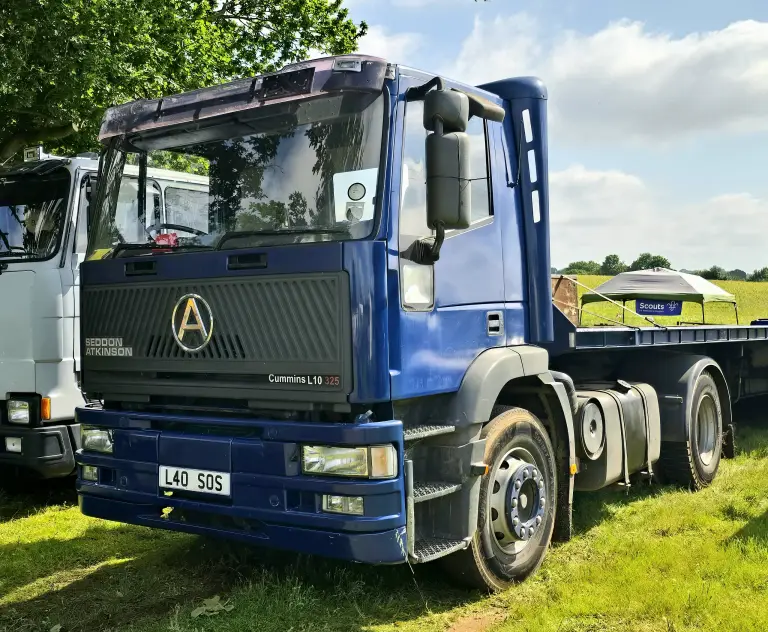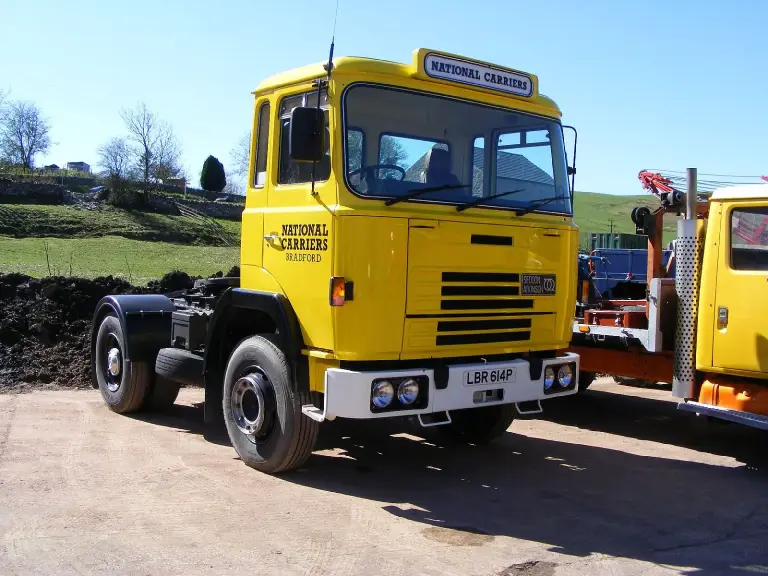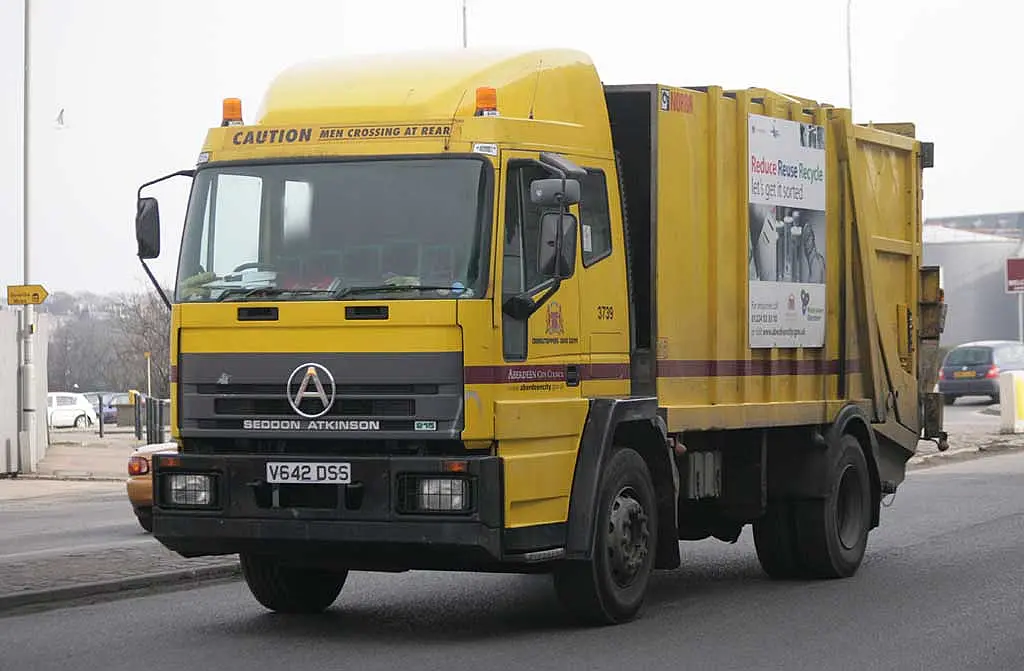
The Seddon Atkinson Pacer was one of the specialised models that Iveco built under the Seddon Atkinson name for the British market, together with the EuroMover and the Strato. The range was aimed at refuse collection, recycling and construction operators, a niche in which a small British badge still made sense next to the main Iveco catalogue.
Seddon Atkinson Pacer at a glance
| Maker | Seddon Atkinson Vehicles Ltd, Oldham, England |
|---|---|
| Brand owner | Iveco, which used the marque for specialised vehicles in the UK |
| Role | refuse collection, recycling and construction work |
| Range companions | EuroMover and Strato |
| Typical body | refuse-collection bodywork on a municipal chassis |
| Cab for municipal work | lowered cabs were built for refuse trucks in the Iveco period |
| Example badge | Pacer 215 bin-wagon |
| UK distribution | a network of 13 distributors |
| Oldham works closed | 2004 |
| Offices closed | end of 2006 |
| Brand withdrawn | December 2009 |
There is no dedicated Wikipedia article on the Pacer: the model is named only briefly in the Seddon Atkinson company history, so this page is short and based on the English and German Wikipedia articles on the company.
History of the Seddon Atkinson Pacer
Seddon Atkinson was formed in 1970, when Seddon Diesel Vehicles acquired Atkinson Vehicles of Preston. International Harvester bought the company in 1974 and sold it in March 1984 to Enasa of Spain, which made it a subsidiary of Pegaso. In 1990 the business became part of Iveco, which used the brand for various types of specialised vehicles in the United Kingdom.
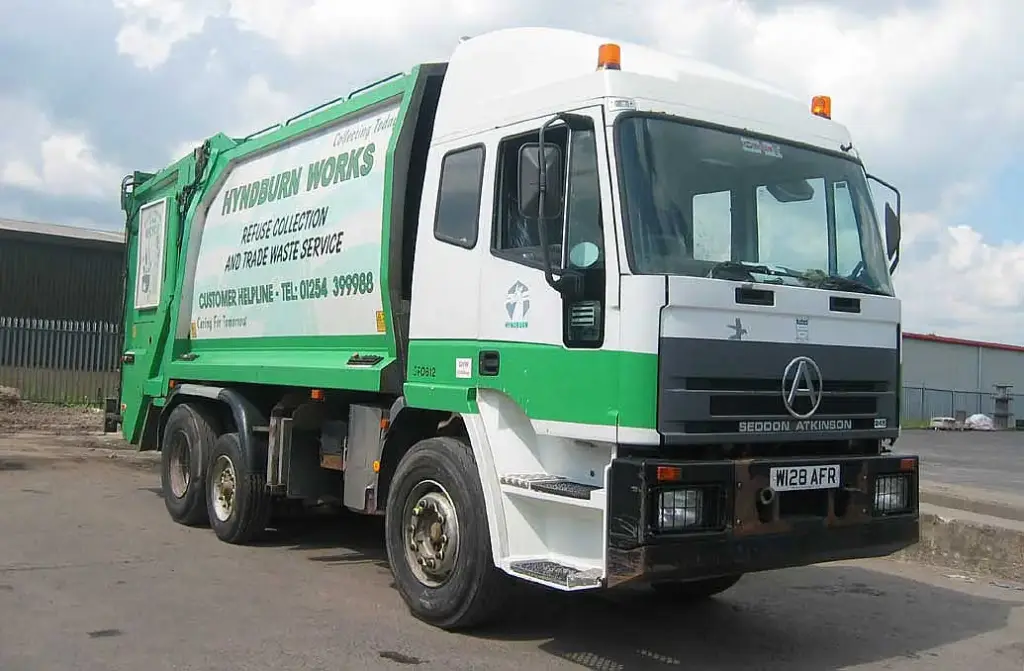
That is the context in which the Pacer belongs. Instead of competing in the mainstream heavy truck market with a separate British range, Seddon Atkinson was kept for municipal and specialist work, where bodies are built to order and the chassis matters more than the badge. The models produced in this period included the EuroMover, the Pacer and the Strato, aimed at refuse collection, recycling and construction operators.
The Pacer was therefore usually seen as a chassis for refuse-collection bodywork. In the Iveco years Seddon Atkinson also produced lorries with lowered cabs for municipal refuse work, a layout that makes it easier for crews to climb in and out on rounds. Surviving examples carry municipal liveries, and the Pacer 215 bin-wagon is one of the designations recorded on them.
The end came gradually. Iveco announced in 2005 that it would manufacture Seddon Atkinsons in Spain, and shortly afterwards the brand name was incorporated into the mainstream Iveco catalogue. The Oldham manufacturing facilities were shut down in 2004 and the offices were closed at the end of 2006. The range had been sold in the UK through a network of 13 distributors, a mix of dedicated Seddon Atkinson dealers and dealers who also sold Iveco models. In December 2009 Iveco announced that the Seddon Atkinson brand would be withdrawn.
Design and features
- Municipal focus: the Pacer was aimed at refuse collection, recycling and construction operators rather than general haulage.
- Chassis for bodywork: it served as a base for specialist municipal bodies.
- Low-entry option: Seddon Atkinson built trucks with lowered cabs for refuse work in the Iveco years.
- Atkinson identity: the chrome letter ‘A’ in a circle on the grille, used since 1937, still marked the vehicles out from other Iveco products.
Seddon Atkinson Pacer versions
- Pacer 215: a bin-wagon designation recorded on a 1999 example in Aberdeen.
- Refuse trucks with outside bodywork: chassis supplied to municipal bodybuilders, including Faun-bodied vehicles.
The Pacer sat alongside the Strato in the Iveco-era range, and the earlier heavy lorries are covered in the Seddon Atkinson 400 article. More vehicles are in the Seddon Atkinson collection.
Sources
- Seddon Atkinson, English Wikipedia: company history, Iveco era, EuroMover, Pacer and Strato, end of the brand
- Seddon Atkinson, German Wikipedia: lowered cabs for municipal refuse trucks in the Iveco period