
P&H Mining Equipment builds electric mining shovels, blast hole drills, walking draglines and in-pit crushing and conveying systems for surface mines. It began in Milwaukee in 1884 as a machine and pattern shop, grew through crane building, and today is part of Komatsu Mining Corporation.
P&H mining equipment at a glance
| Maker | P&H Mining Equipment, Milwaukee, Wisconsin, USA |
|---|---|
| Founded | 1 December 1884, as Pawling & Harnischfeger Machine and Pattern Shop |
| Founders | Alonzo Pawling and Henry Harnischfeger |
| Owner | Joy Global Inc. until 2017; since then Komatsu Mining Corporation |
| Product lines | electric mining shovels, blast hole production drills, walking draglines, in-pit crushing-conveying systems |
| Smallest shovel | P&H 1900AL, payload 21 tons |
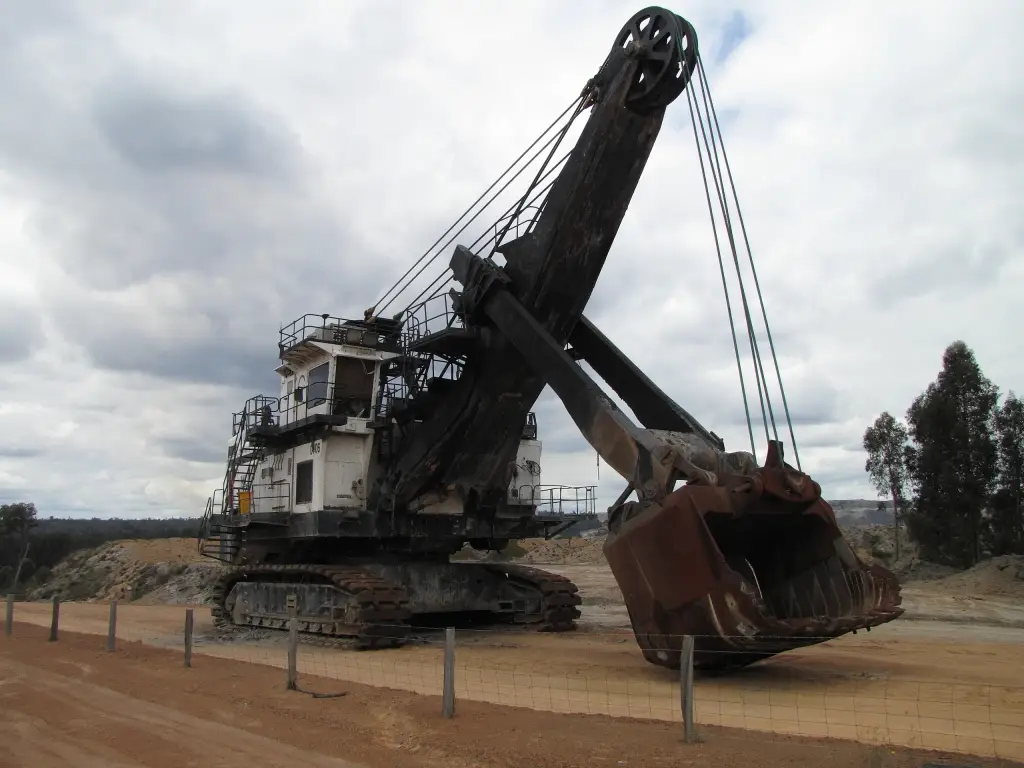
| Largest shovel | P&H 4100XPC, payload 120 tons, working weight about 1,645 tons |
| Newest shovel | P&H Komatsu 4800XPC from March 2018, nominal payload 122.5 tonnes |
| Drill capacity | bit loading up to 150,000 pounds-force and torque up to 25,000 foot-pounds |
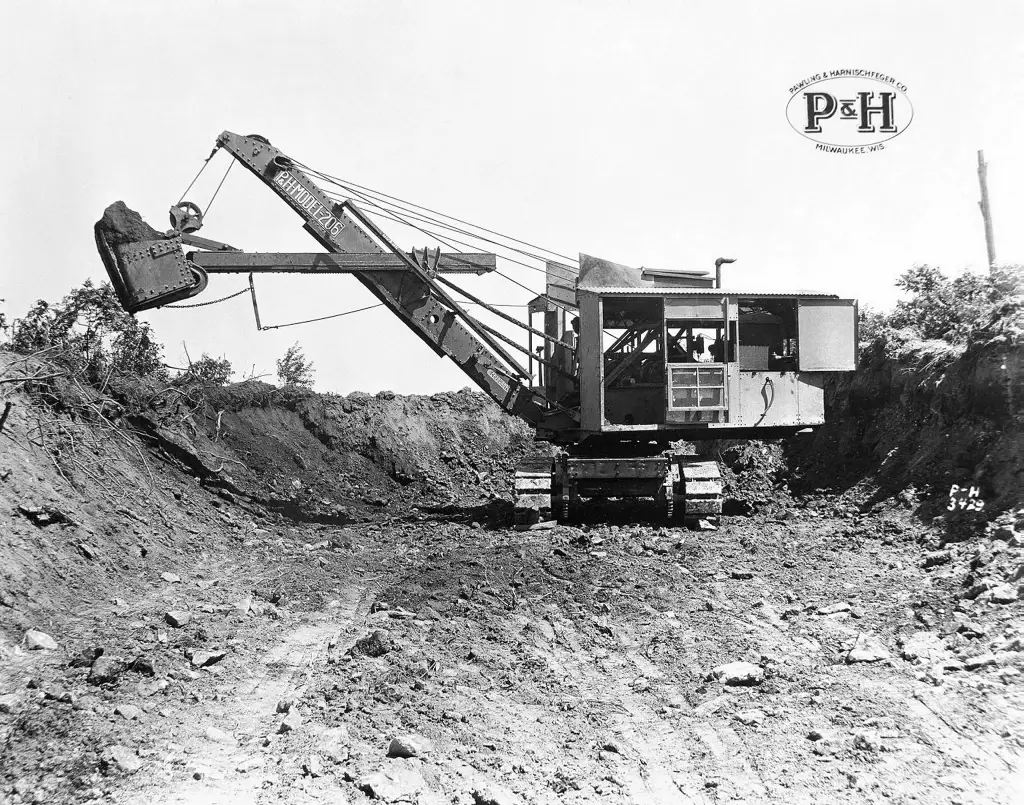
| Earliest excavator | P&H Model 206, working weight about 25 tons, bucket 0.5 cubic yard |
| Drive | P&H electric motors, Ward-Leonard DC system from the 1930s |
The 4100A, 320, 325, 550, 790 and T-300 have no Wikipedia articles of their own; this page describes the P&H mining equipment line and is based on one source, the English Wikipedia article on P&H Mining.
History of the P&H mining equipment
From a Milwaukee pattern shop, 1884
Alonzo Pawling was a castings pattern maker and Henry Harnischfeger a locksmith machinist with some engineering training. Both worked at the Whitehill Sewing Machine Company factory in Milwaukee from 1881. Pawling left in 1883 to open a small gear machining and pattern making shop, and, needing more gear machining expertise and capital, took Harnischfeger in as an equal partner. Their Pawling & Harnischfeger Machine and Pattern Shop officially began on 1 December 1884, supplying components and assembly service to knitting machine makers, brick makers, grain drying equipment manufacturers and brewers.

From cranes to earth moving
When an overloaded overhead bridge crane collapsed in the foundry of the Edward P. Allis Manufacturing Company, Pawling and Harnischfeger rebuilt it with an improved and simplified design, and the firm turned into an industrial crane builder and service operation. The bank panic of 1893 cut demand for cranes, so P&H looked for a second product line and chose earth moving machinery, at a time when American infrastructure and construction work needed large volumes of it. By 1920 the digging line included the P&H Model 206 and Model 300, built in batches of five or more, and by 1926 the machines were in distribution around the world, including Mumbai.
Welding and electric drive
In the 1930s welding made lighter, stronger machines possible than riveted construction, and P&H was an early adopter: the company also designed and made its own electric arc welding machinery and welding rod products. The shovels and draglines were offered with a Waukesha gasoline engine, a Buda diesel engine or a P&H electric motor; diesel and the company’s own motors became dominant in the 1930s, and by the end of the 1960s virtually all P&H excavating machines used P&H electric motors, built on motor and control work that dated back to the purchase of Gibb Electric Company assets in 1893. The machines grew with the mines: excavators that began with bucket payloads of about 500 pounds and capacities of 0.5 cubic yard became electric mining shovels with maximum dipper payloads of 120 tons and capacities of 82 cubic yards, while the Model 206 weighed about 25 tons against roughly 1,645 tons for a 4100XPC.
Joy Global and Komatsu
P&H Mining Equipment became an operating subsidiary of Joy Global Inc., the Milwaukee mining machinery company whose other unit, Joy Mining Machinery, serves underground operations while P&H serves surface mines. In 2017 Komatsu Limited of Tokyo acquired Joy Global, and the business now trades as Komatsu Mining Corporation, a Komatsu subsidiary.
Design and features
- Electric drive: the company has built its own motors and controls since the 1890s and adopted Ward-Leonard DC drive for its digging machines in the 1930s.
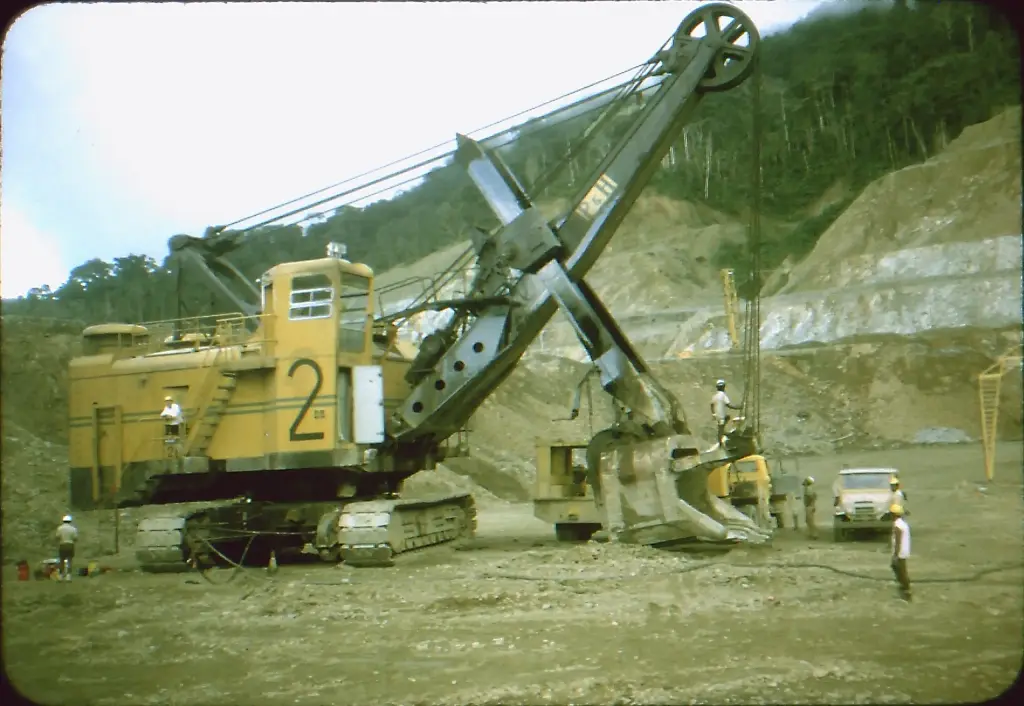
- Rope shovels for big mines: electric mining shovels load haul trucks and feed in-pit crusher-conveyor systems, with payloads from 21 tons in the 1900AL to 120 tons in the 4100XPC.
- 4800XPC: introduced in March 2018 with a nominal payload of 122.5 tonnes and an optimum truck size of 360 to 400 short tons, for up to 20 per cent more production than other rope shovels.
- Drills: blast hole rigs bore grids for tubular explosives in hard rock, combining up to 150,000 pounds-force of bit loading, 25,000 foot-pounds of torque and about 3,850 cubic feet of air per minute.

P&H mining equipment versions
- Electric mining shovels: the main line, from the 1900AL with a 21-ton payload to the 4100XPC and 4800XPC.
- Blast hole production drills: rigs for drilling patterns of blast holes in hard-rock formations.
- Walking draglines: long-reach digging machines on walking shoes.
- In-pit crushing-conveying systems: equipment that crushes ore inside the pit and moves it by conveyor.
More mine and construction machinery is in the P&H collection.
Sources
- P&H Mining, English Wikipedia: history, ownership, product lines, specifications