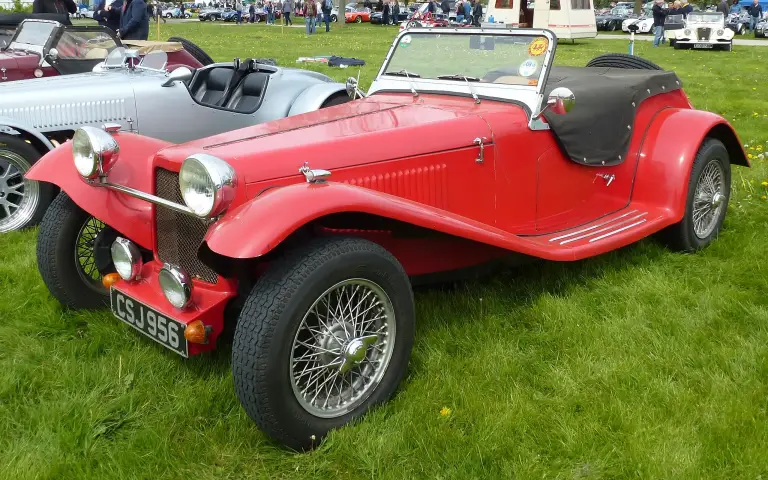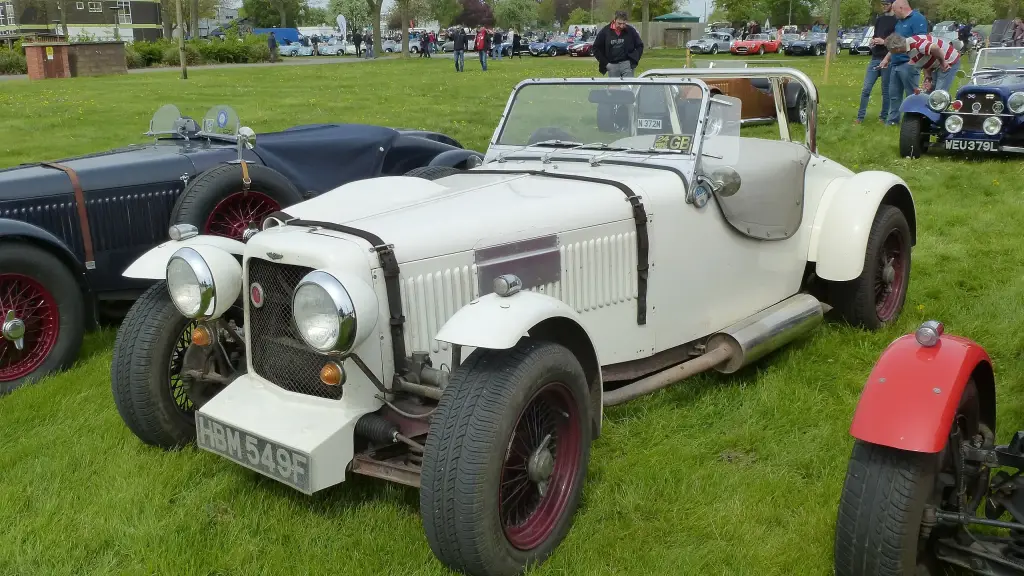
The NG TC was an open two-seater kit car built by NG Cars of Milford on Sea, Hampshire, in the 1980s. It took its styling cues from the Aston Martin Ulster of the 1930s but used the mechanical parts of the MGB, which made it one of the more practical ways into a pre-war looking sports car.
NG TC at a glance
| Maker | NG Cars, Milford on Sea, Hampshire |
|---|---|
| Body | open two-seater |
| Inspiration | Aston Martin Ulster |
| Mechanics | MGB |
| Engine | MGB four-cylinder; 3.5-litre Rover V8 in the TCR |
| Windscreen | fixed |
| Exhaust | routed under the floor |
| Later name | Pastiche Gladiator, from 1990 |
| Built | more than 400, 10 of them with the V8 |
There is no English Wikipedia article on NG Cars; this page is based on the German article on the company (based on one source).
History of the NG TC
A kit car company born from a Midget conversion
The NG brand belonged to NG Cars, founded in 1979 by Nick Green and based at Milford on Sea in Hampshire. Green had run the Speedwell Motor Company in the 1970s, which among other things sold the Arkley, a conversion kit for the MG Midget made by John Britten Garages. The commercial success of that kit convinced him to build complete kit cars of his own, and the first NG models looked to Aston Martin sports cars of the 1930s for their shape.
The TC and its Ulster inspiration
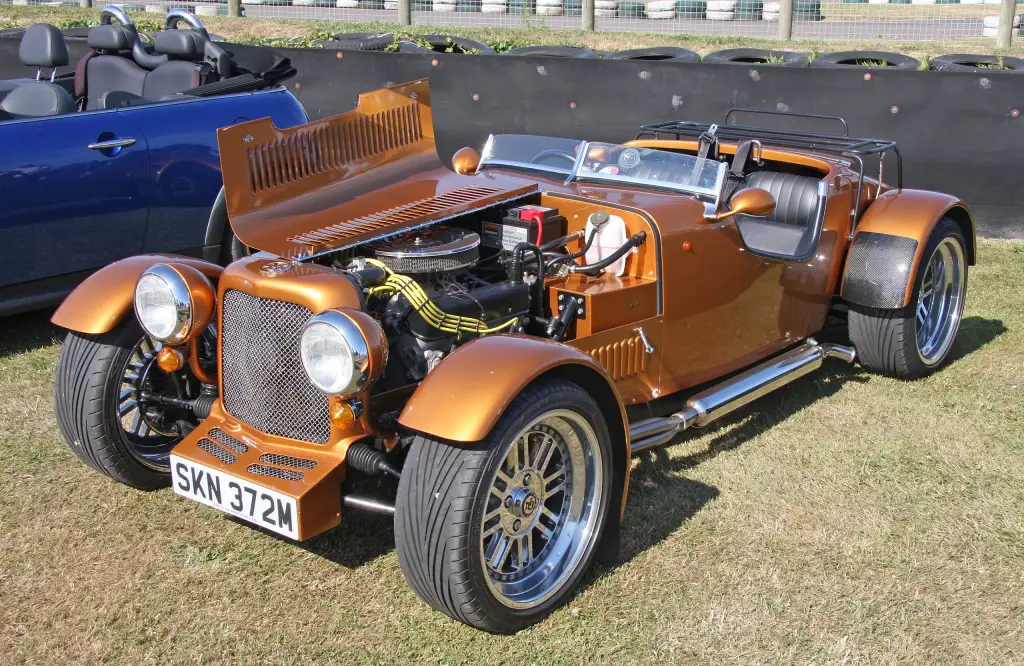
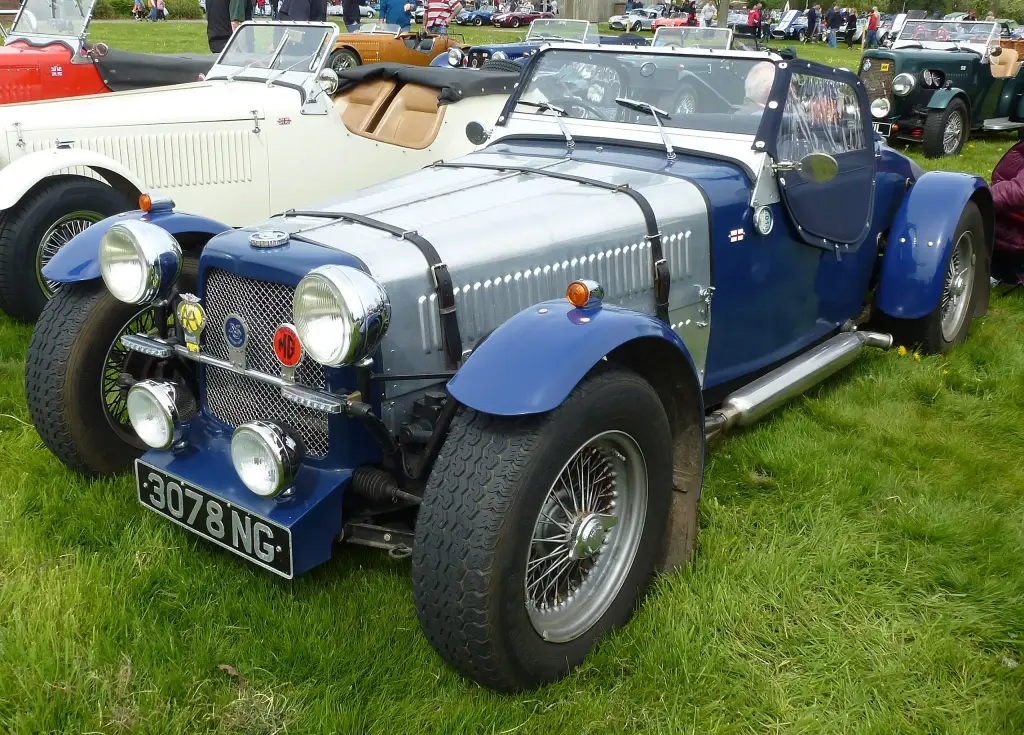
The TC followed the same idea. It was, in the words of the German Wikipedia article on the company, only loosely inspired by the Aston Martin Ulster: the body was smoothed compared with the original, the windscreen was fixed rather than a folding racing screen, and the exhaust was routed under the floor of the car instead of along the side. Underneath, the car used MGB mechanicals, which at the time were cheap and plentiful in Britain.
V8 and the end of the line
A version called the TCR was available with Rover’s 3.5-litre V8, the aluminium engine that powered a whole generation of British specialist cars. Ten of the more than 400 TCs built were V8s. In 1987 Nick Green sold the rights to his existing models to a customer, Peter Fellowes, who first sold them through the TA Motor Car Company and from 1989 as Pastiche Cars. From 1990 the TC was sold as the Pastiche Gladiator and could be had with Morris Marina components instead of MGB ones. Pastiche went bankrupt in 1991 and GTM took over the production rights, while NG itself had already stopped building cars in 1989.
Design and features
- Period looks, modern-ish parts: Aston Martin Ulster styling over an MGB floorpan and drivetrain.
- Fixed windscreen: a simplification of the racing original that also made the kit easier to complete.
- Underfloor exhaust: cleaner sides than the Works Ulster, and one less thing to fit through the bodywork.
- V8 option: the TCR used Rover’s 3.5-litre aluminium V8 in place of the four-cylinder MGB engine.
NG TC versions
- NG TC: the standard four-cylinder car on MGB mechanicals.
- NG TCR: the same body with the 3.5-litre Rover V8; ten built.
- Pastiche Gladiator: the TC sold under the Pastiche name from 1990, optionally with Morris Marina parts.
- Findhorn cars: from 2002 the NG name was used by Findhorn Cars, an unrelated company, which offered a similarly conceived car.
The TC was the smaller-selling stablemate of the NG TF; more of the marque is in the NG collection.
Video: ng tc
Video by kitcar history on YouTube.
Sources
- NG Cars, German Wikipedia: company history, models, production numbers