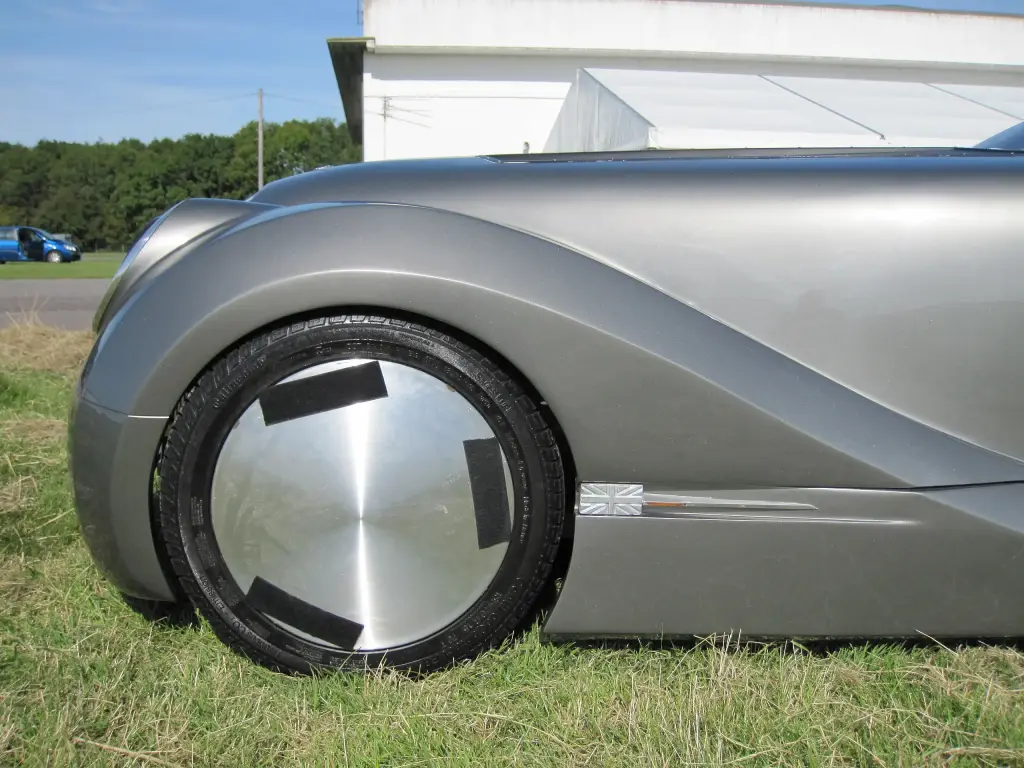
The Morgan LIFEcar, short for LIghtweight Fuel Efficient Car, began as a fuel-cell electric vehicle project undertaken by Morgan Motor Company and the startup Riversimple. The goal was a sports car that would be environmentally responsible and still deliver impressive performance. Research and development was backed by the defence technology firm QinetiQ, by several universities including Cranfield and Oxford, and by government grants.
Morgan LIFEcar at a glance
| Project | Morgan Motor Company and Riversimple |
|---|---|
| Type | fuel-cell electric sports car project |
| Backers | QinetiQ, Cranfield University, University of Oxford, government grants |
| Chassis basis | Morgan Aero 8 |
| Fuel cell | proton exchange membrane, developed by QinetiQ |
| Drive | electric motors at each wheel |
| Energy storage | capacitors for bursts of power |
| Platform design | led by Mark Reeves |
| Outcome | fuel-cell layout abandoned for a hybrid |
| Hybrid range | 15 miles on electric power |
Based on one source, which is short; the car never reached production and figures are limited to the project’s published plans.
History of the Morgan LIFEcar
The fuel-cell idea
The project set out to build a lightweight, fuel-efficient sports car around a hydrogen fuel cell. According to news releases, the LIFEcar chassis was to be based on the Morgan Aero 8, while the proton exchange membrane fuel cell itself was being developed by QinetiQ. Electric motors were planned at each wheel, in a layout similar to the Whispering Wheel concept, and the electricity generated by the fuel cell would be stored in sophisticated capacitors to deliver sufficient bursts of power to those motors.
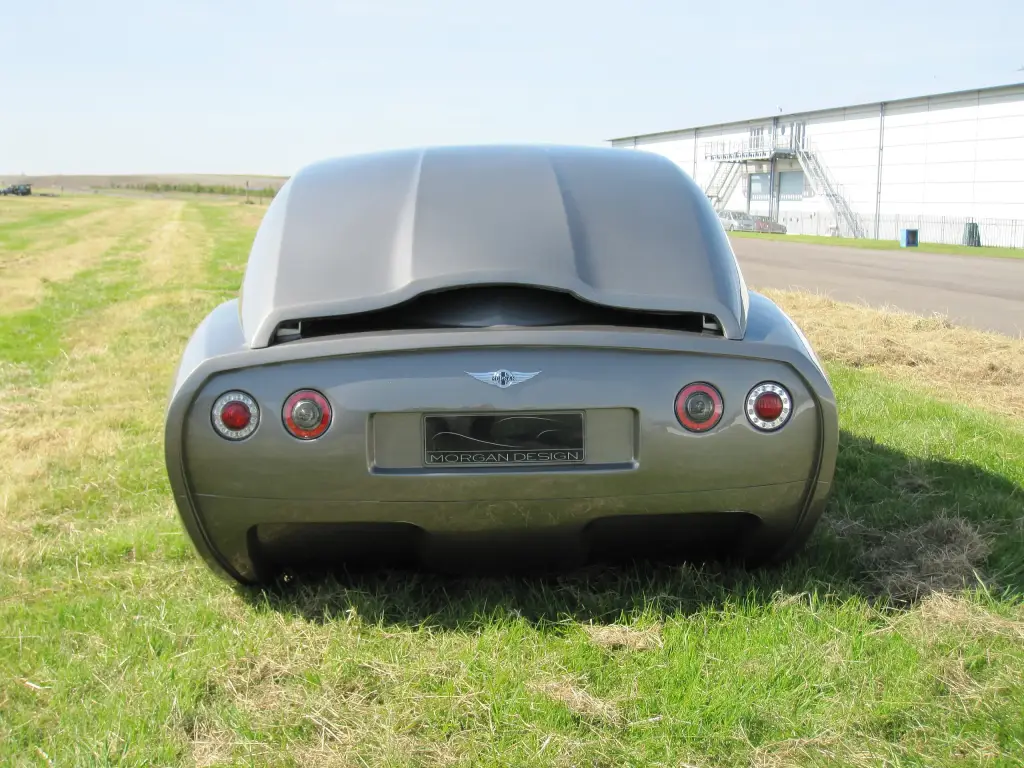
Hydrogen and partners
Morgan considered using its past business ties with BMW to obtain liquid hydrogen storage technology, although this remained to be seen. The design of the vehicle platform was led by Mark Reeves with the help of his team at Morgan. The work was supported by QinetiQ, a British defence technology firm, as well as several universities, among them Cranfield University and the University of Oxford, and by government grants.
A change of direction
The project ultimately abandoned the fuel-cell architecture in favour of a hybrid approach, with a 15-mile electric range. No production version followed, and the LIFEcar remained a research project rather than a model offered to customers.
Design and features
- Fuel-cell powertrain: a proton exchange membrane cell developed by QinetiQ.
- Wheel motors: electric drive planned at each wheel, similar to the Whispering Wheel concept.
- Capacitor storage: capacitors were to hold energy for short bursts of power.
- Aero 8 basis: the chassis was to be derived from Morgan’s aluminium sports car.
- Research partnership: Morgan worked with Riversimple, QinetiQ, Cranfield and Oxford.
Morgan LIFEcar versions
- Original concept: a hydrogen fuel-cell sports car on an Aero 8-based chassis.
- Hybrid revision: the later direction, with a 15-mile electric range.
The chassis was to be based on the Morgan Aero 8. The company’s production cars are described in the Morgan 4/4 article. More cars are in the Morgan collection.
Sources
- Morgan LIFEcar, English Wikipedia: project partners, chassis, fuel cell, hybrid outcome