The Mitsuoka Orochi is a Japanese sports car built by Mitsuoka Motors, first shown as a concept at the 2001 Tokyo Motor Show and put into production in late 2006 as a 2007 model. Named after Yamata no Orochi, the eight-headed, eight-tailed dragon of Japanese legend, it was marketed by its maker as a “Fashion-Super Car”.
Mitsuoka Orochi at a glance
| Maker | Mitsuoka Motors, Japan |
|---|---|
| Class | sports car, described by Mitsuoka as a “Fashion-Super Car” |
| First shown | 2001 Tokyo Motor Show, as a concept on the Honda NSX platform |
| Revised concepts | 2003 and 2005; the 2005 car was the convertible Orochi Nude Top |
| Production | from October 2006, sold as a 2007 model |
| First deliveries | January 2007 |
| Planned output | 400 cars over four years |
| Name | Yamata no Orochi, the eight-headed dragon of Japanese myth |
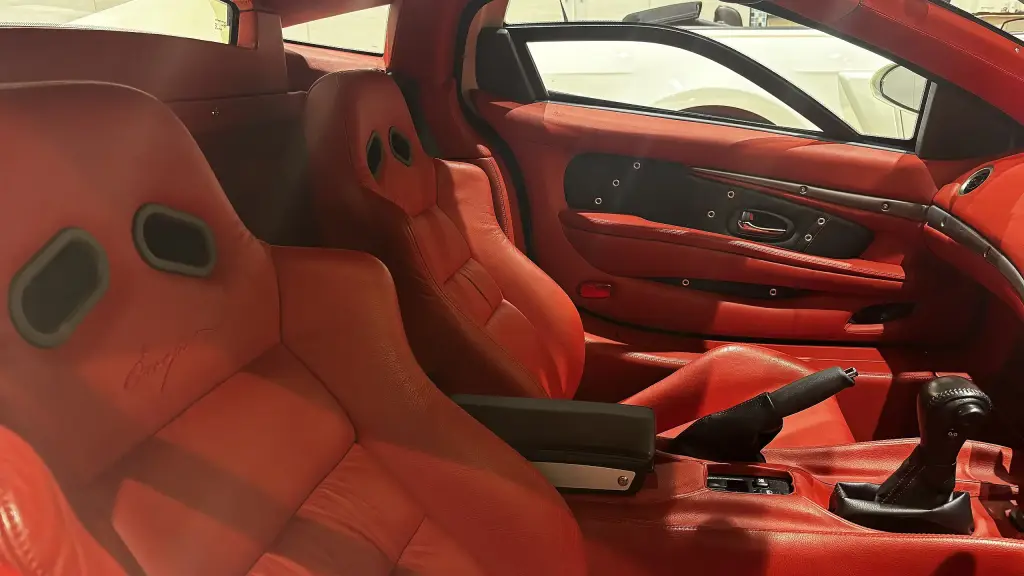
| Interior | fully leather-trimmed, with air conditioning, airbags and a Panasonic satnav |
| Equipment | motorised mirrors and windows, HID low beams, immobiliser |
| Edition models | Kabuto, Zero, Gold Premium, Final Edition, Evangelion, Devilman |
Based on one source: the English Wikipedia article on the Orochi.
History of the Mitsuoka Orochi
The Orochi started life as a concept car at the 2001 Tokyo Motor Show, built on the platform of the Honda NSX. Mitsuoka returned to the idea with revisions in 2003 and again in 2005, when it showed a convertible version called the Orochi Nude Top. Only in October 2006 did the company launch the production car, with the first examples due to be delivered in January 2007 as 2007 models. Output was capped at 400 cars over four years.
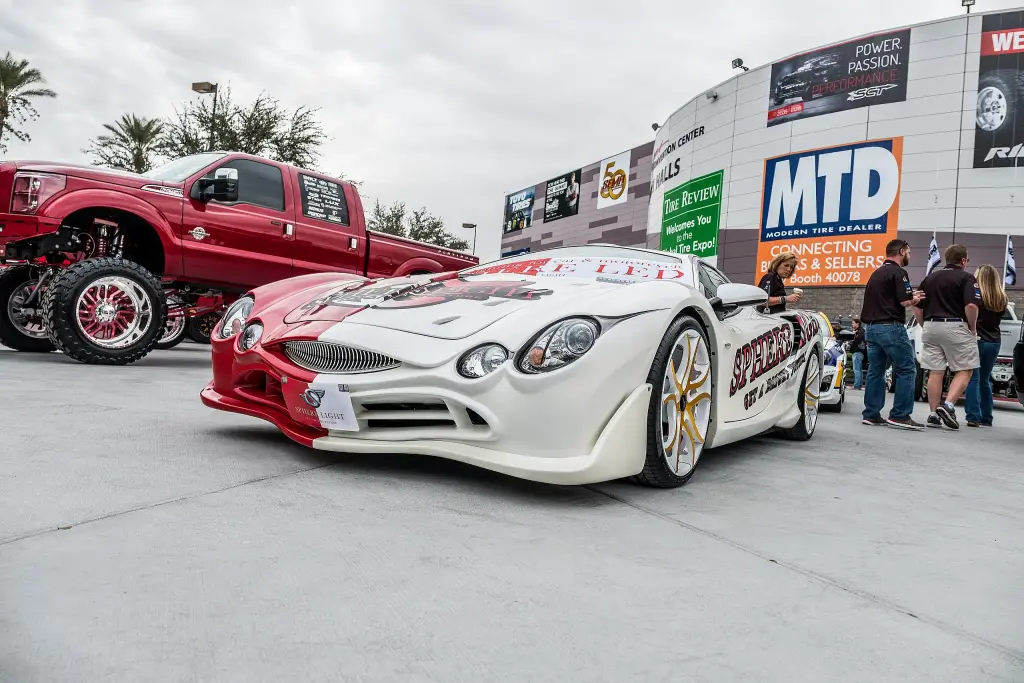
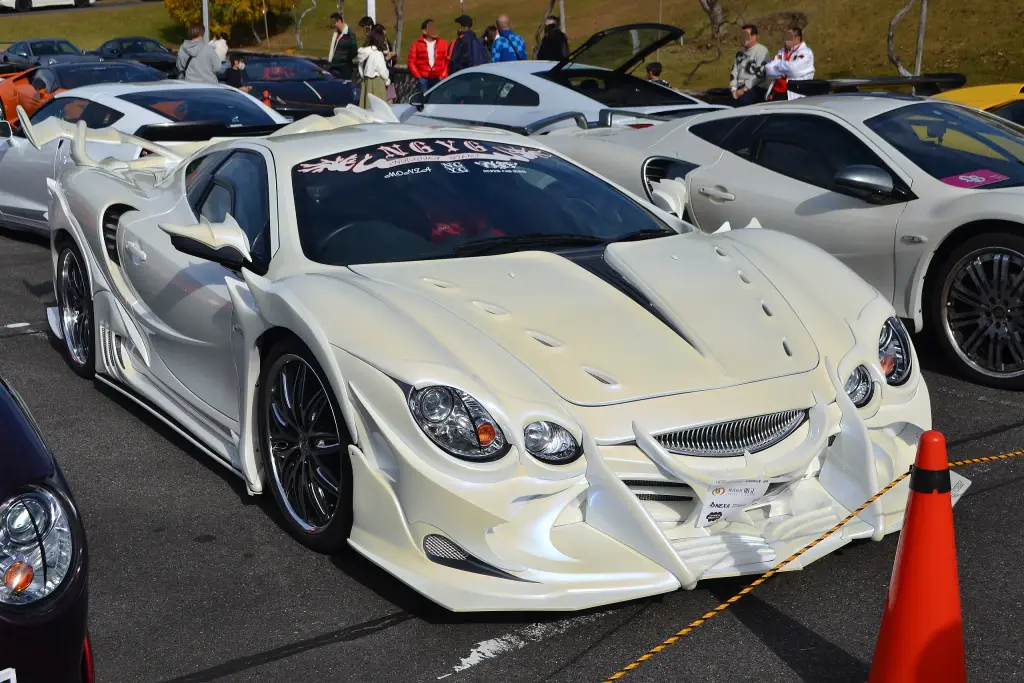
The production Orochi was trimmed entirely in leather and came with motorised wing mirrors and windows, air conditioning, airbags, low-beam side HID lamps, an immobiliser and a Panasonic satellite navigation system. Its shape — low, wide and covered in vents and oval openings — was unlike anything else on the Japanese market.
The first special model arrived at the 2007 Tokyo Motor Show. The Orochi Kabuto was a concept that kept the standard car’s construction but added carbon fibre panels, a body kit and a rear spoiler. Mitsuoka put it into production in 2009 in a run of five cars, with the carbon panels, body kit and spoiler of the show car, four exhaust tail pipes to sharpen the sound, a further-tuned engine, aluminium interior parts and leather seats with diamond stitching.
In January 2008 came the Orochi Zero, a cheaper alternative with fewer metal-plated fittings, synthetic leather and less soundproofing around the engine; its paint and interior colours could not be specified, and production was limited to 20 cars a year. The Orochi Gold Premium of 2010, limited to 20 vehicles and sold first in Japan and then more widely in Asia, added front and rear spoilers, a modified variable-note exhaust with four tail pipes in place of two, Alcantara on the seats and steering wheel, and gold trim and badges.
In April 2014 Mitsuoka announced that the Orochi would be discontinued and marked the end with a Final Edition of five cars, priced at roughly US$125,000. Three were finished in Gold Pearl and two in a purple hue the company called Fuyoru; all had black alloy wheels, a new front lip spoiler and a rear wing, and colour-specific interior trim with Alcantara seats and steering wheel. The engine was left unchanged.
Two one-off cars followed. In November 2014 Mitsuoka announced a Seven Eleven Evangelion Limited Edition, based on the Gold Premium and painted in a multi-coloured scheme recalling the robots of the 1990s anime series, at 16 million yen. In September 2018 the Orochi Devilman, a single car made with Go Nagai, creator of the Devilman series, and modelled on a car from the Devilman Crybaby anime, was priced at 19.8 million yen.
Design and features
- Dragon-inspired shape: a low, heavily sculpted body quite unlike any other Japanese car of its time.
- Concept-car cabin: full leather trim, motorised mirrors and windows, HID low beams and a Panasonic satnav.
- Limited numbers: production was capped at 400 cars over four years.
- Edition overload: Kabuto, Zero, Gold Premium, Final Edition, Evangelion and Devilman versions followed one another.
Mitsuoka Orochi versions
- Orochi (2006–2014): the standard production car.
- Orochi Kabuto (2009): five cars with carbon fibre panels, a body kit, a rear spoiler and four tail pipes.
- Orochi Zero (2008): a cheaper version with synthetic leather and reduced soundproofing, 20 cars a year.
- Orochi Gold Premium (2010): 20 cars with gold trim, Alcantara upholstery and a four-pipe exhaust.
- Orochi Final Edition (2014): five cars in Gold Pearl or Fuyoru purple, about US$125,000.
- One-offs: the Evangelion car of 2014 and the Devilman car of 2018.
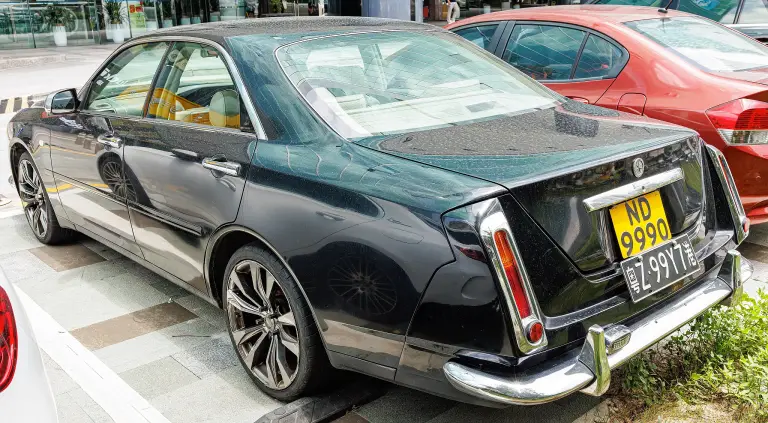
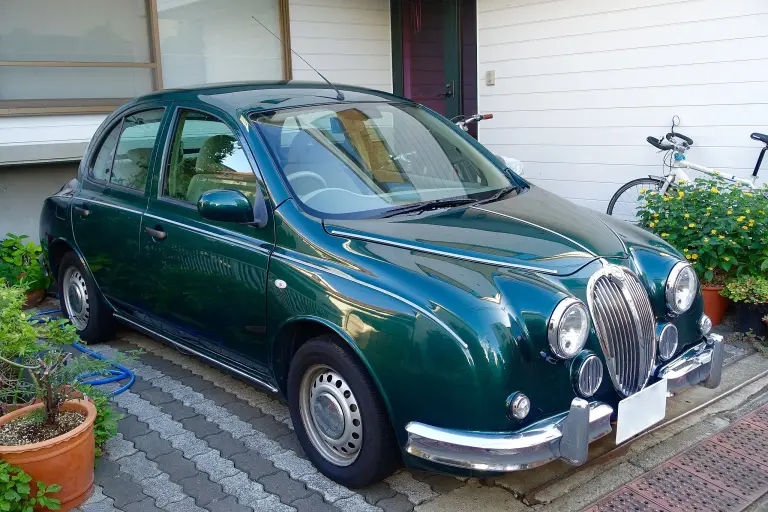
Mitsuoka built the Orochi alongside its retro-styled saloons, among them the Galue and the Viewt. More cars are in the Mitsuoka collection.
Video: Mitsuoka Orochi review: Japan’s answer to Ferrari?
Video on YouTube.
Sources
- Mitsuoka Orochi, English Wikipedia: development, production, editions, reception