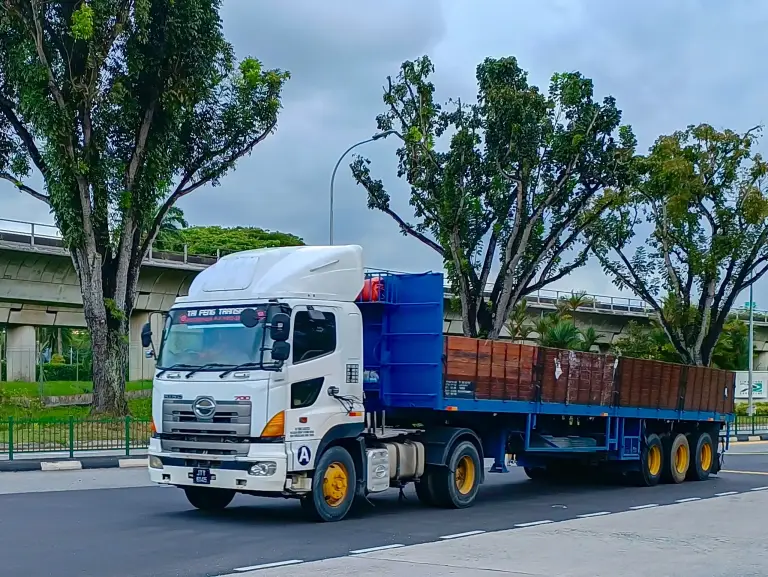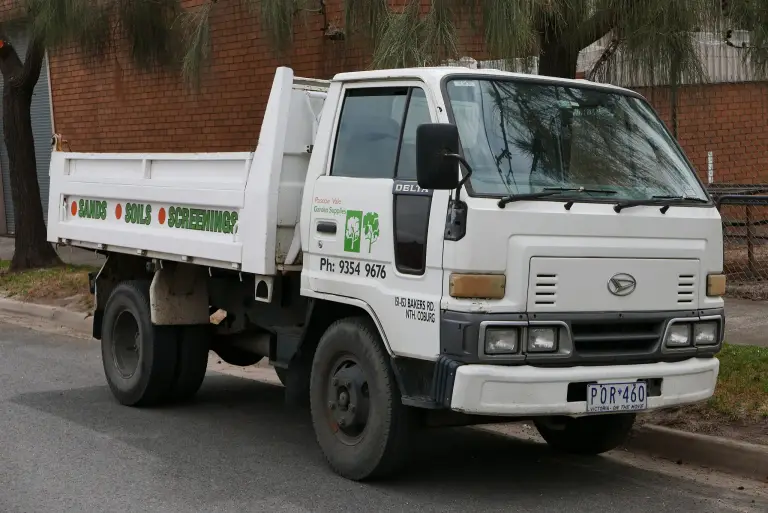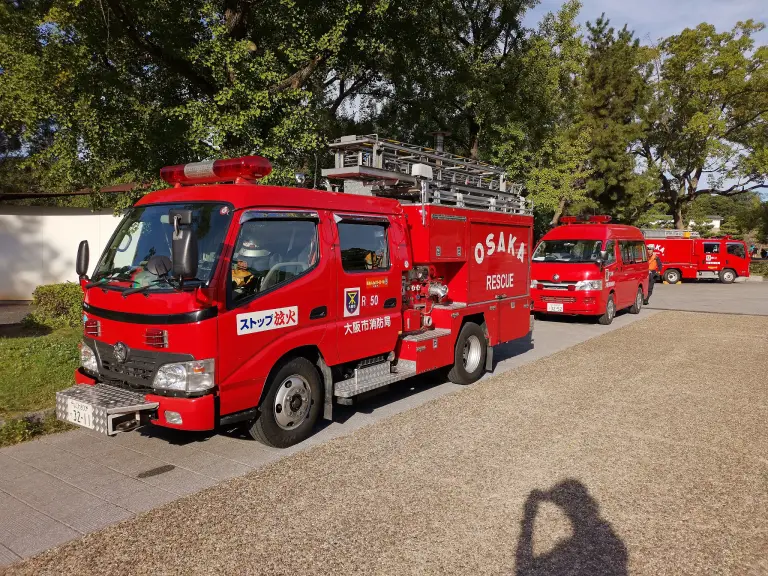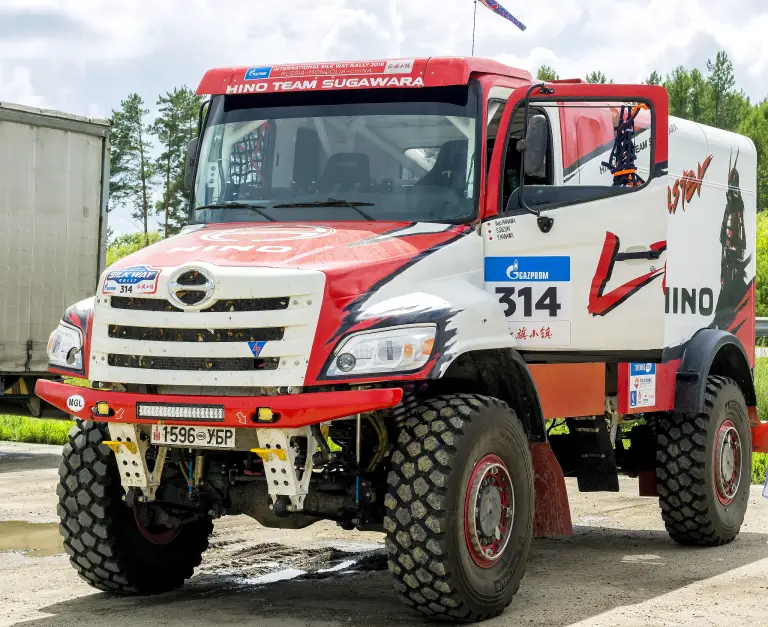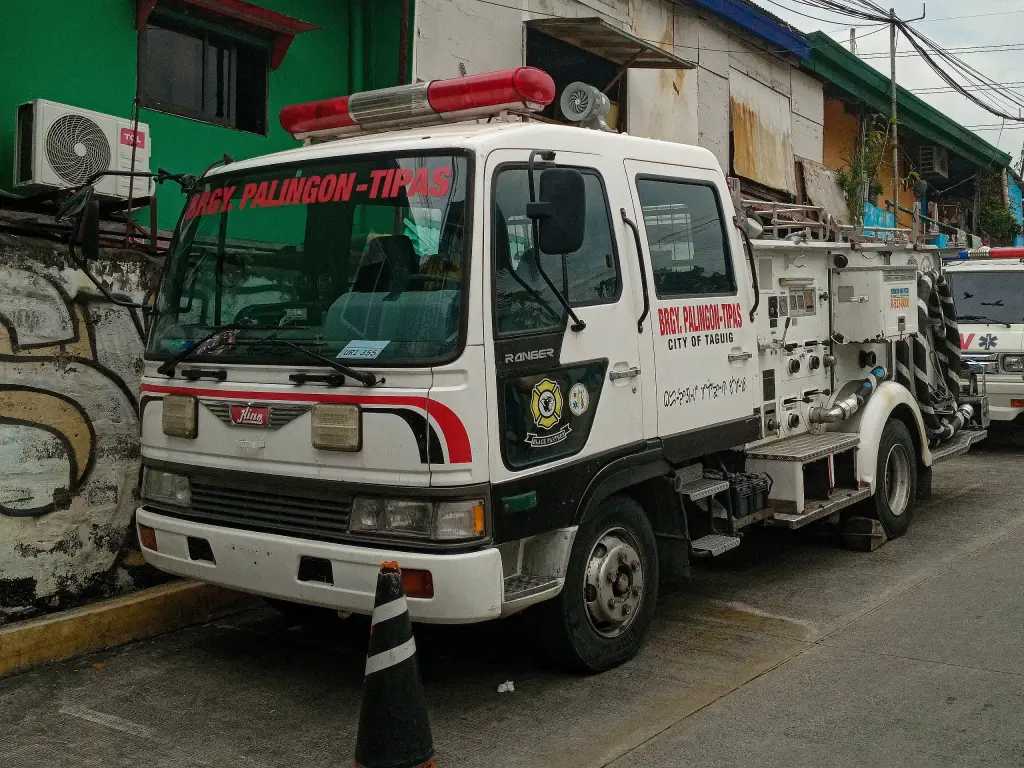
The Hino Ranger is Hino’s medium and heavy truck, produced since June 1964. It began as the 3.5-tonne Ranger KM300 in Japan’s newly competitive middleweight class and is now in its sixth generation, sold outside Japan as the 500 Series.
Hino Ranger at a glance
| Maker | Hino Motors |
|---|---|
| Production | 1964–present |
| First generation | 1964–1983, KM300 then KM500 |
| Second generation | 1969–1980, KL series |
| Third generation | 1980–1989; built under licence by Kia as the Rhino |
| Day Cab Ranger | 1984–1995 |
| Fourth generation | 1989–2001, Cruising Ranger |
| Fifth generation | 2001–2017, Ranger Pro |
| Sixth generation | 2015 abroad, 2017 in Japan |
| First engine | 4,313 cc DM100, 90 PS; 4,507 cc DQ100, 110 PS from 1978 |
| Export names | 500 Series; part of the F-, G- and S-Series |
History of the Hino Ranger
First generation (1964–1983)
The Ranger KM300 appeared in June 1964 with a 4,313 cc six-cylinder DM100 engine of 90 PS; a short-wheelbase KM320 followed, and the long-wheelbase KM340 in December. The cabin became a three-seater in 1966, the headlamps were integrated into the grille in 1967, and the cab was lengthened by 55 mm in 1969. Being limited to 3,500 kg of payload, the KM was not a strong seller in a market that favoured 4-tonners. In April 1978 the new 4,507 cc DQ100 engine of 110 PS arrived with high-backed seats and larger mirrors, and the line became the KM500. The 2-tonne Ranger 2 of 1978 was a rebadged Toyota Dyna, and the Ranger KM became the Ranger 3M before production ended in 1984.
Second and third generations (1969–1989)
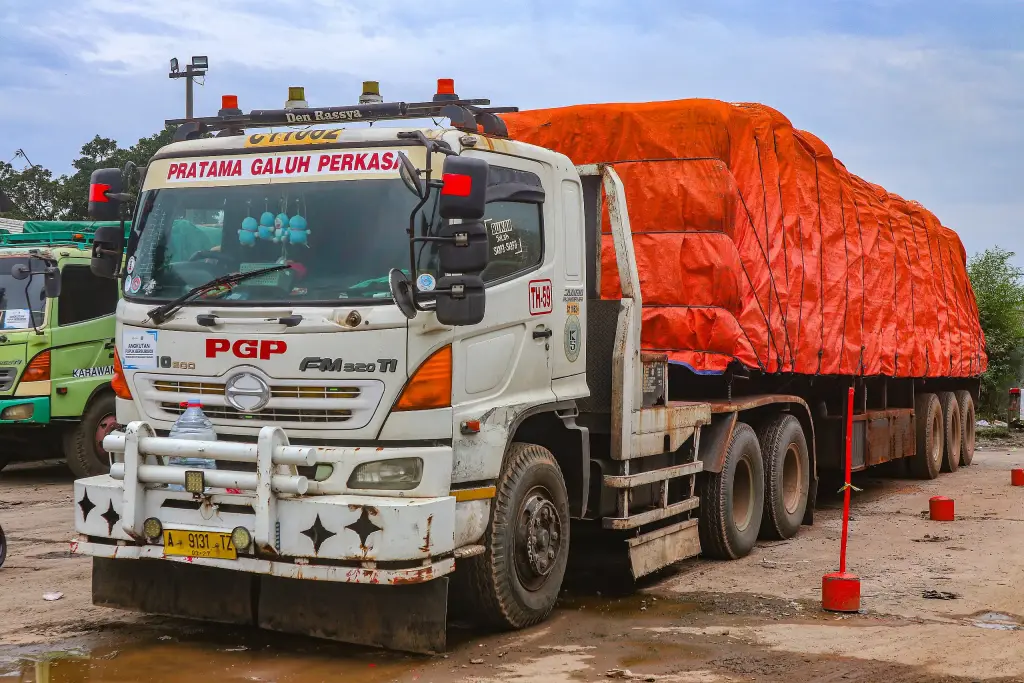
The Ranger KL of 1969 had a 4.5 litre DQ100 or 5.0 litre EC100 engine and was sold in Australia as the Toyota KL300; it shared its styling theme with the Michelotti-designed ZM heavy trucks. The third generation of 1980 was marketed as the Wind Ranger in Japan, with a cab 35 per cent more aerodynamic than its predecessor and assembled by robots. From 1982 Hino supplied badge-engineered trucks to Ford as the N series for Australia and New Zealand, and from 1988 to 1998 the truck was built under licence in Korea as the first Kia Rhino. The third generation was also the first Hino sold in the United States, from the 1984 model year, under model numbers rather than the Ranger name.
Day Cab Ranger to sixth generation (1984–present)
The Day Cab Ranger of June 1984 replaced the original KM as a dedicated medium-duty design in 3.5- and 4.5-tonne forms. The Cruising Ranger of 1989 adopted the unusual two-lamp headlamps and a wider cab, and the Ranger Pro of 2001 brought lower headlamps buried in the bumper. The sixth generation was launched in Indonesia in January 2015 as the new 500 Series and in Japan in April 2017, with a new 5.1 litre A05C four-cylinder diesel of 190, 210 or 260 PS, urea-free DPR-II emission control on the lower outputs, AMT gearboxes and a standard package of pre-crash safety, lane departure warning and VSC.
Design and features
- Medium-duty mainstay: the Ranger has covered the 3.5-tonne class to 20-tonne GVW over its life.
- Licensed and rebadged: built as the Kia Rhino and sold as the Ford N series in Australasia.
- Export identity: the 500 Series name is used in most markets outside Japan.
- Modern drivetrain: the sixth generation uses the 5.1 litre A05C engine and Pro Shift automated manuals.
Hino Ranger versions
- Ranger KM300/500 (1964–1984): the original 3.5-tonne line.
- Ranger 2 and Ranger 3 (1978–1999): light models rebadged from Daihatsu and Toyota.
- Cruising Ranger (1989–2001): fourth generation with two-lamp headlamps.
- Ranger Pro (2001–2017): fifth generation with bumper-mounted headlamps.
- 500 Series (2015–): sixth generation, the current truck.
The light end of the range moved to the Hino Dutro, while the heaviest work is done by the Hino Profia. All models are in the Hino collection.
Sources
- Hino Ranger, English Wikipedia: generations, licensed production, export names
- 日野・レンジャー, Japanese Wikipedia: model history, engines, sixth generation