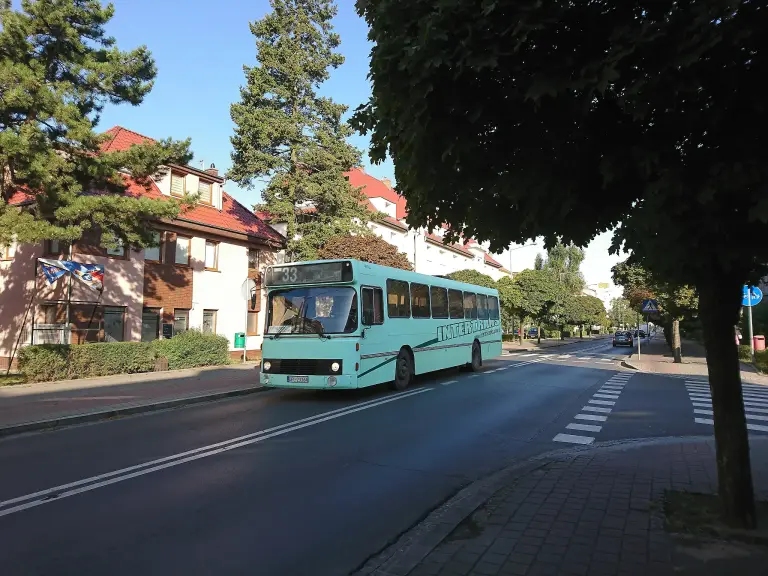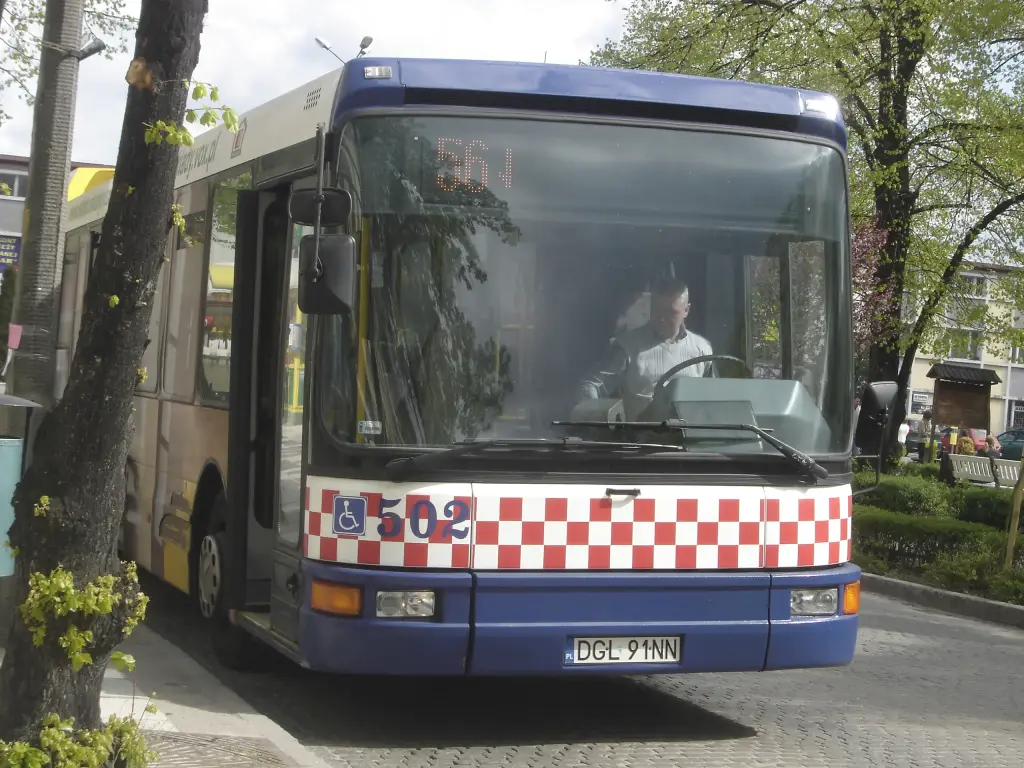
The DAB 15-1200C was the low-floor city bus of the Danish maker DAB, built in Silkeborg in the 1990s and known in Denmark as the DAB Citybus or series 15. It was a 12-metre bus with an aluminium structure, a 2-2-2 door layout and large round windows, offered with DAF or MAN engines and fully automatic gearboxes.
DAB 15-1200C at a glance
| Maker | Dansk Automobil Byggeri (DAB), Silkeborg, Denmark |
|---|---|
| Also called | DAB series 15, DAB Citybus |
| Built | 1992–1999 |
| Class | low-floor city bus, 12 m, 2-2-2 doors |
| Engines | DAF RS200L to 1996, DAF GS200M from 1996, MAN D0826 LUH12 |
| Power | 200 kW (272 hp) DAF, 162 kW (220 hp) MAN |
| Gearboxes | ZF 4HP500, ZF 5HP500, Voith D851.2 |
| Dimensions | 12,000 × 2,500 × 3,120 mm |
| Floor height | 320 mm at the front overhang, 340 mm at the rear |
| Weights | 10,000 kg empty, 15,750 kg gross |
| Capacity | 80 passengers, 28 seated |
| Brakes | ABS only |
There is no English Wikipedia article on the 15-1200C; the model is described on Polish Wikipedia, and the history of the maker comes from the Danish article on DAB. Based on one source for the model itself.
History of the DAB 15-1200C
A Danish answer to the low-floor city bus
The 15-1200C was developed as DAB’s series 15 and presented in 1992, the year the first buses were built. Its low floor was a step away from the high-floor city buses DAB had built since the 1960s, when the company supplied Copenhagen with a standardised bus in seven distinct models with aluminium bodies of modular construction. The new model kept the aluminium structure but lowered the floor to 320 mm at the front overhang and 340 mm at the rear, with doors in a 2-2-2 layout and large round windows.
Engineering
The bus relied on fully automatic gearboxes: ZF 4HP500 and 5HP500 units or the Voith D851.2. The engine was the DAF RS200L until 1996, when the DAF GS200M took over; a MAN D0826 LUH12 of 162 kW (220 hp) was also available, while the DAF units produced 200 kW (272 hp). Braking assistance was limited to ABS, without the traction and stability systems that became common later.
In Denmark
DAB had worked with Leyland since 1953 and was majority-owned by Leyland from the 1970s, when the factory was renamed Leyland-DAB; after Leyland’s collapse the DAB division passed to Volvo with the sale of Leyland Bus, and in 1990 DAB joined the United Bus group with DAF Bus, Bova, Den Oudsten and Optare. The United Bus venture failed and DAB became a wholly Danish company again. Some Danish operators also ran the 15-1200C on LPG, with the gas tank mounted on the roof.
A second life in Poland
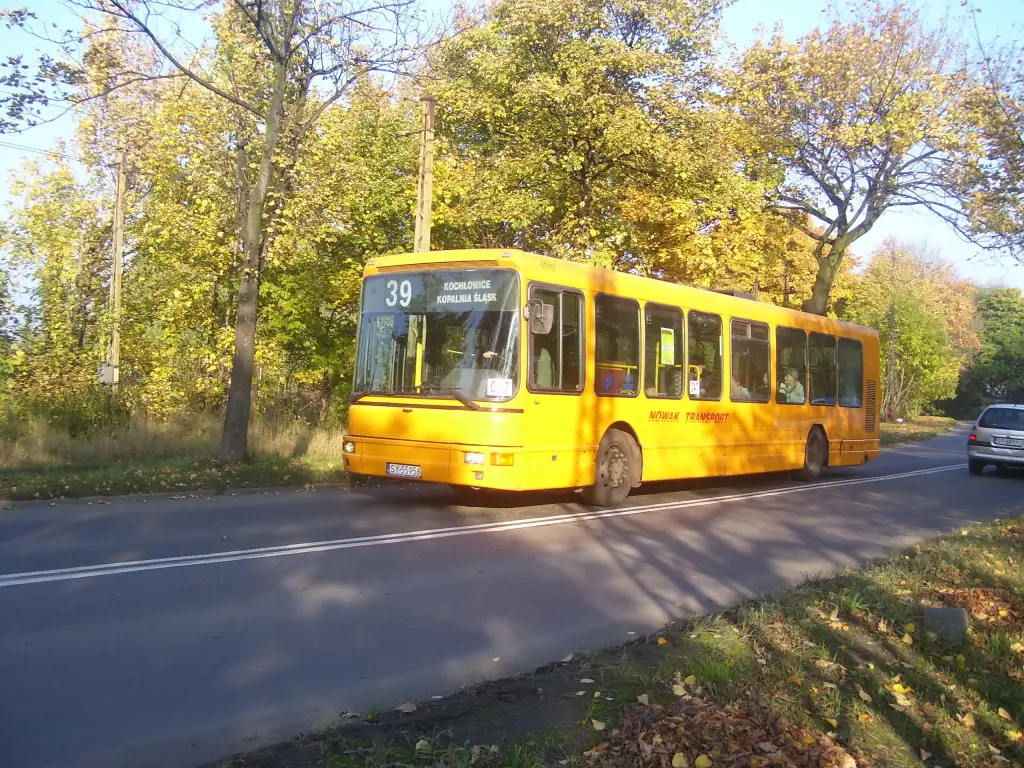
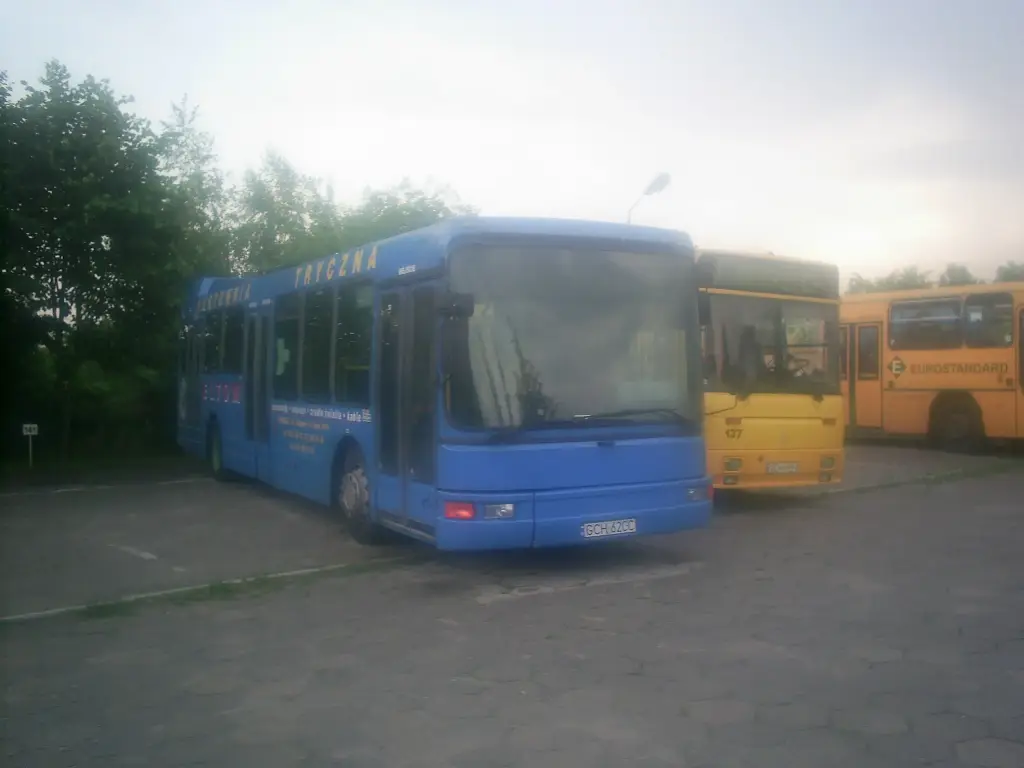
In the mid-1990s the model reached Poland through MZK Koszalin, which bought a single bus with fleet number 1139 after it had served in Denmark as a demonstration vehicle; a second, 1194, arrived a few years later. Buses of the type also worked in Gliwice and Głogów, where the local operator KM Głogów ran examples of the model. Surviving vehicles photographed in Poland were built between 1993 and 1996.
The end of the DAB name
Scania took over the Silkeborg factory in 1995 and introduced its own OmniCity family, but production of the 15-1200C continued until 1999, when DAB’s own models were dropped. The factory was renamed Scania A/B, Silkeborg in 1997 and was sold in 2002 to the Norwegian bodybuilder Vest Busscar, which ended the DAB name after ninety years.
Design and features
- Low floor: 320 mm at the front overhang and 340 mm at the rear, with no steps at the doors.
- Aluminium structure: a lightweight body in the tradition of DAB’s modular aluminium buses.
- 2-2-2 doors: three double doors, with a two-door 2-2-0 layout also offered.
- Automatic transmission: ZF or Voith units throughout production.
- Round windows: large circular glazing that gave the Citybus its distinctive look.
DAB 15-1200C versions
- Mk. I and Mk. 2: the two production versions listed for the model.
- DAF-engined buses: RS200L to 1996, GS200M from 1996.
- MAN-engined buses: the D0826 LUH12 of 162 kW (220 hp).
- 2-2-0 layout: a two-door version without the rear door.
- LPG version: Danish operators’ buses with a gas tank on the roof.
The 15-1200C was the low-floor successor to DAB’s high-floor city bus, the DAB 12-1200B. More Danish buses are in the DAB collection.
Video: DAB 15-1200C year 1995 (Voith)
Video on YouTube.
Sources
- DAB 15-1200C, Polish Wikipedia: history, versions, specifications, service in Poland
- Dansk Automobil Byggeri, Danish Wikipedia: company history, Leyland and Scania years